View
project

Reservation Management System

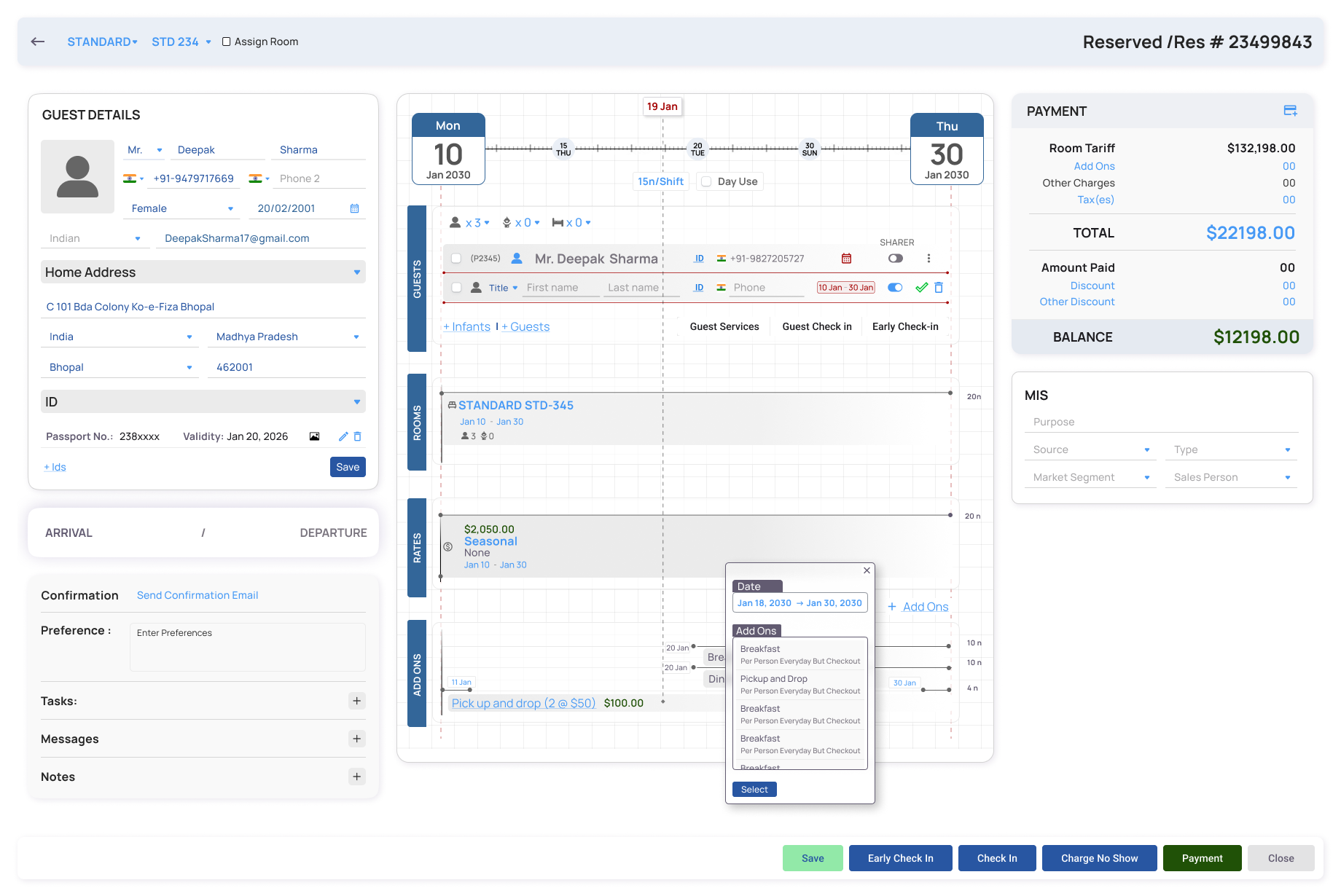
Managing reservations isn't just booking rooms. It's about coordinating inventory, pricing, guest journeys, and hotel operations in real time. I redesigned Hotelogix's Reservation Management System to simplify complex workflows for hotel teams across thousands of properties.
View Figma File
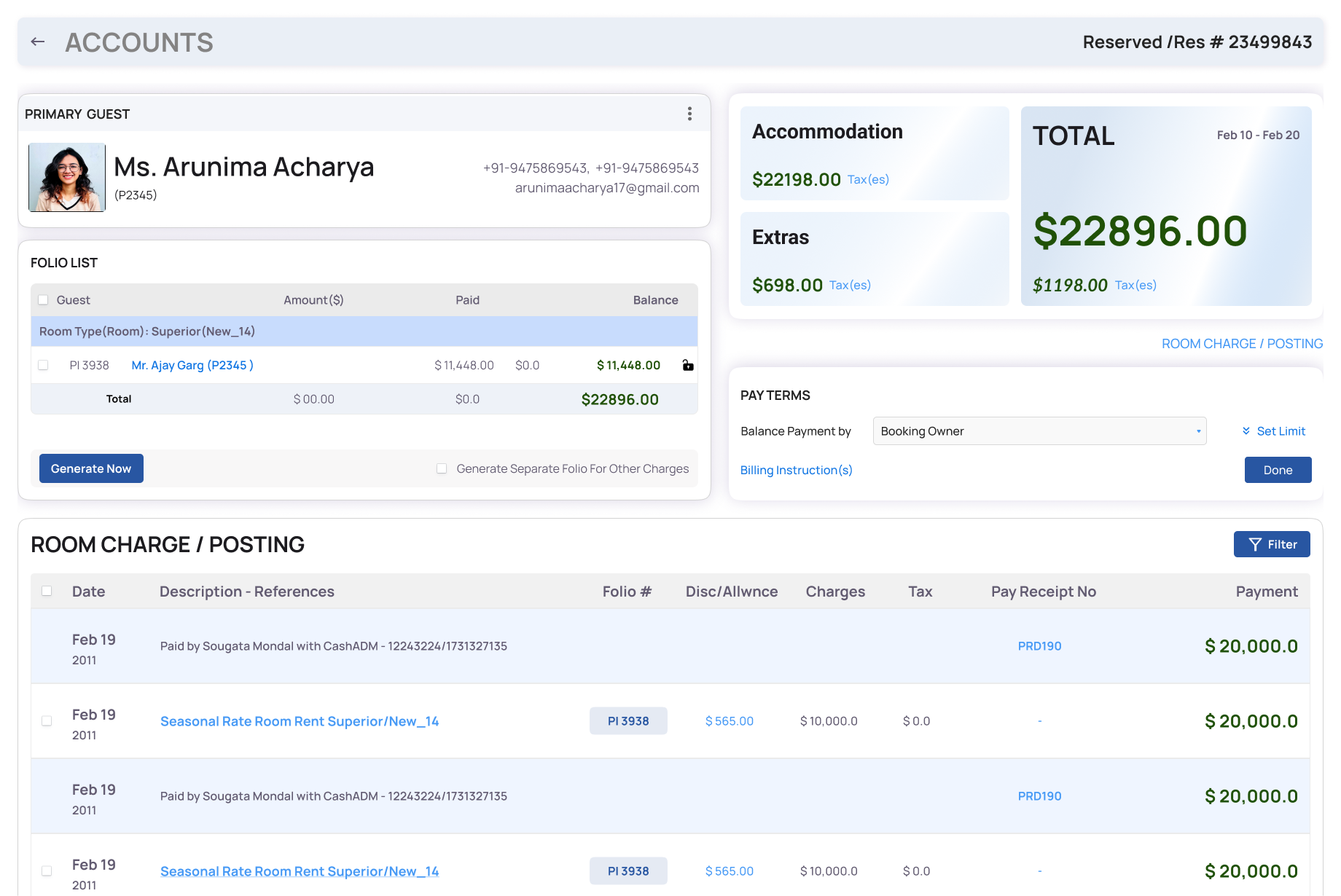
Dashboard screenshot

Project Snapshot

Built from scratch at Hotelogix.

A look at the scope, team, and contributions that shaped the Reservation Management System from the ground up.

Role
Founding Product Designer
Timeline
Confidential
Team
Product · Engineering · Customer Success
Contribution
Product Strategy · UX Design · Interaction Design · UI Design · Information Architecture · Design Systems · Cross-functional Collaboration

My Responsibilities

  • Owned the vision and execution of the Reservation Management System redesign.
  • Led UX strategy, workflow optimization, and information architecture.
  • Drove cross-functional collaboration across Product, Engineering, and Customer Success.
  • Built scalable design foundations to support future product growth.
02At a Glance

Built for hotels that never stop operating.

Powering reservations around the clock across thousands of properties worldwide.

1,000+
Hotels
Worldwide
35%
Reduction in
Room Lookup Time
50+
Countries
Supported
30%
Reduction in
Workflow Steps
03The Challenge

Hotel reservations had become unnecessarily complex.

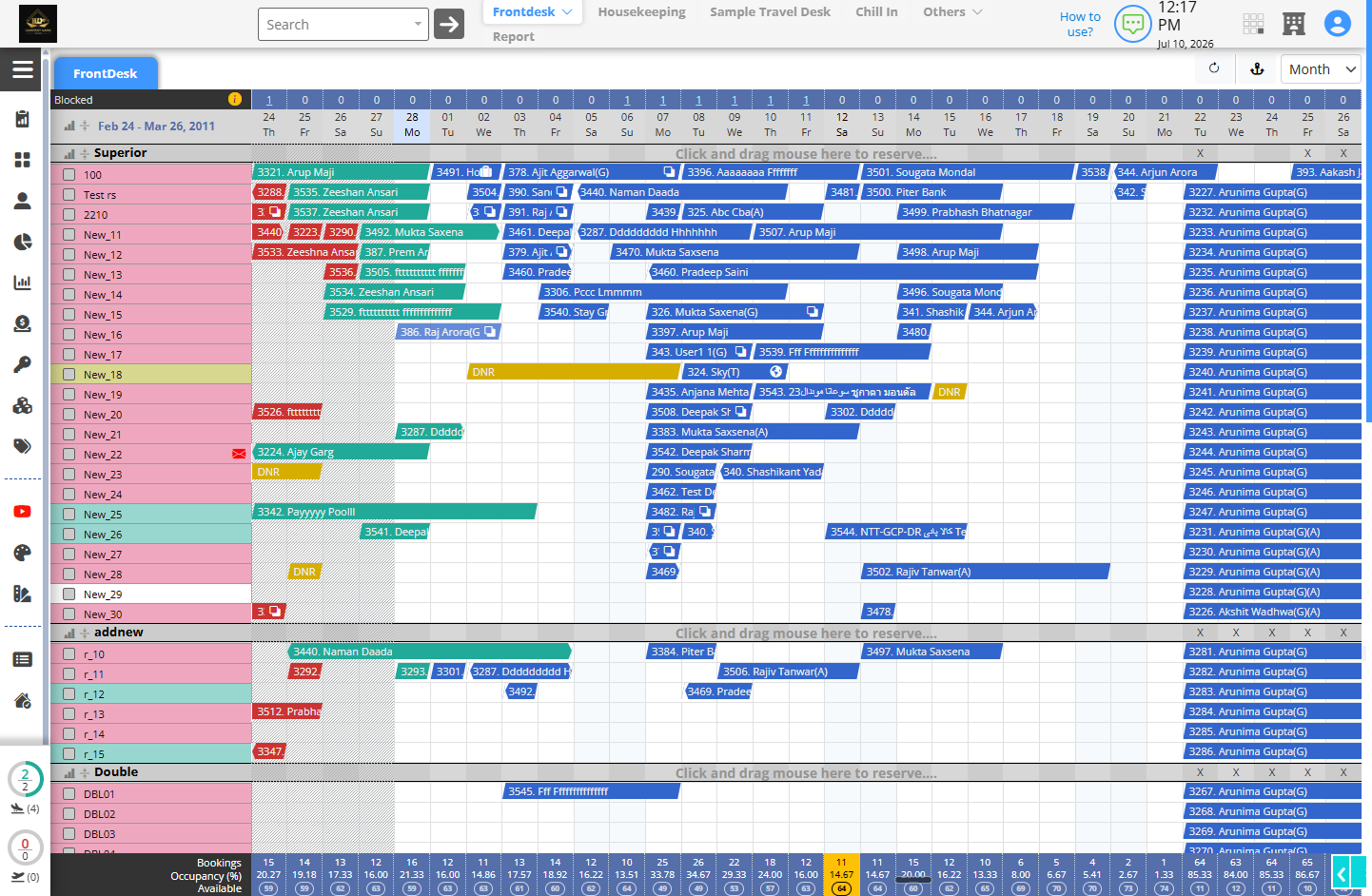
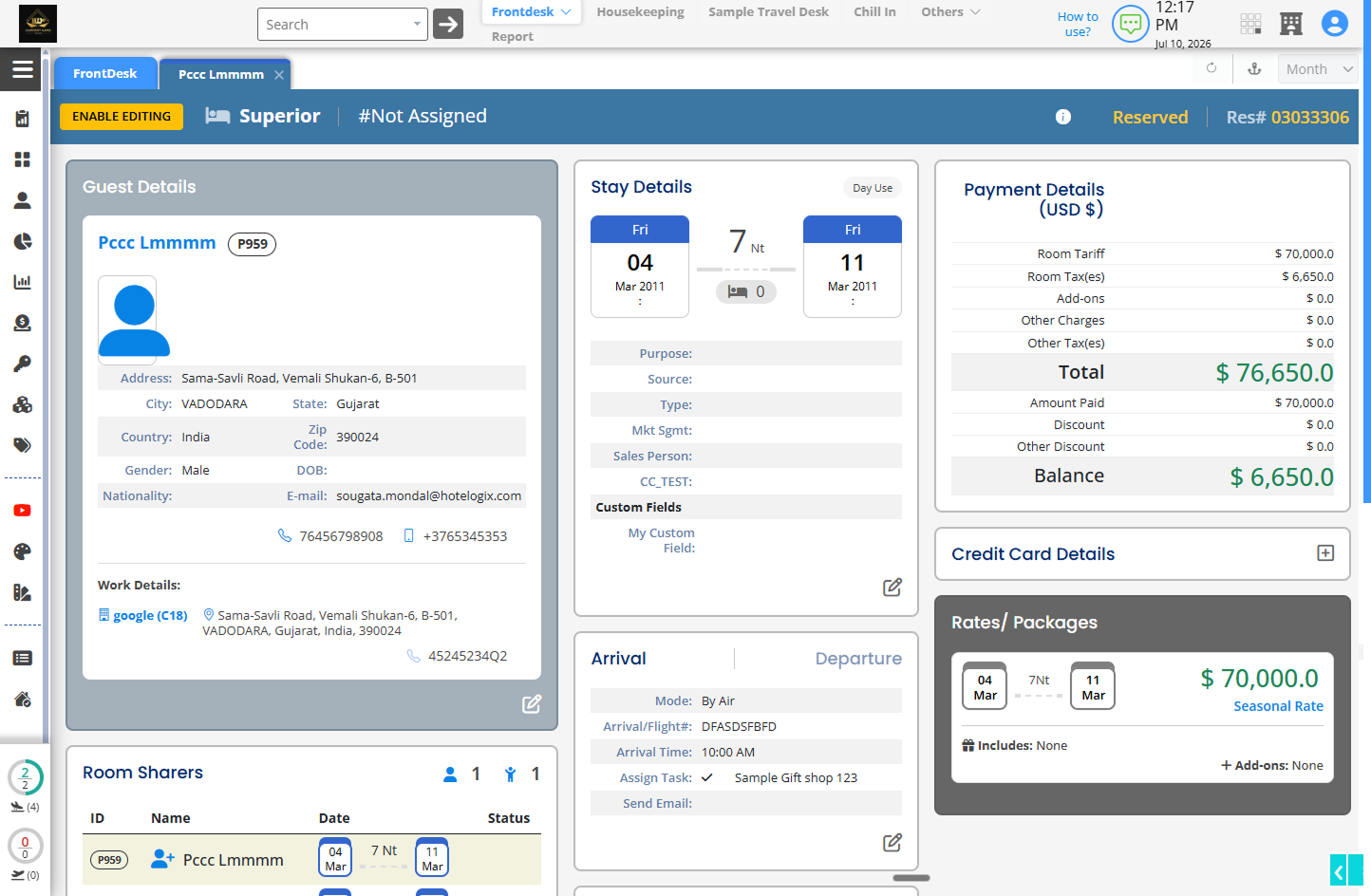
As the product evolved over the years, new features were added without simplifying existing workflows. The result was an interface that overwhelmed users, increased training time, and slowed everyday operations.
Information OverloadOutdated InterfaceForm-Heavy ExperienceLong & Complex WorkflowsPoor Information HierarchyInefficient Operations
01Information Overload

Too much information was displayed at once, making it difficult to quickly identify what mattered.

02Outdated Interface

An aging visual design with inconsistent patterns made the system feel difficult to navigate and learn.

03Form-Heavy Experience

Simple reservation tasks required filling long forms with repetitive fields and unnecessary inputs.

04Long & Complex Workflows

Everyday actions such as creating, editing, or checking reservations involved multiple screens and excessive clicks.

05Poor Information Hierarchy

Critical booking details were buried among secondary information, increasing cognitive load.

06Inefficient Operations

Hotel staff spent more time navigating the software than managing guests, reducing operational efficiency.

04Reservation Lifecycle Overview

Understanding the Operational Ecosystem

Before redesigning the experience, I mapped the complete reservation lifecycle to understand how information flows across teams, systems, and operational touchpoints. This revealed where fragmented workflows and context switching were slowing everyday operations.

01
Front Desk
02
Create Booking
03
Reservation Search
04
Guest Details
05
Room Assignment
06
Payments
07
Check-in
08
Check-out
06Research Insights

Understanding how hotel teams actually work.

Research involved product audits, stakeholder discussions, workflow analysis, and studying operational pain points across reservation teams.

Information overload

Critical reservation details were buried inside dense interfaces, forcing staff to constantly switch context.

High cognitive load

Staff constantly switched between screens to complete simple tasks.

Role-specific workflows

Receptionists, managers, and reservation teams needed different information priorities.

Error-prone processes

Manual room allocation increased operational mistakes.

Scalability challenges

Existing workflows struggled with large corporate reservations.

RESEARCH METHODS

A mix of qualitative and quantitative approaches.

Stakeholder Interviews
12+
Workflow Analysis
30+
Product
Audits
5 Modules
Usage Data Analysis
3 Months
Competitive Benchmarking
6+ Products

What We Learned

Interview 01
Front Desk Staff

I know the guest is somewhere—I just can't find it quickly.

Insight

Critical information was scattered across multiple screens.

Interview 02
Reservation Managers

Comparing room availability takes too many steps.

Insight

Room allocation required unnecessary navigation.

Interview 03
Customer Success

Most onboarding questions are about finding features.

Insight

Navigation—not functionality—was the biggest usability challenge.

07The Solution

Reimagining reservation management from the ground up.

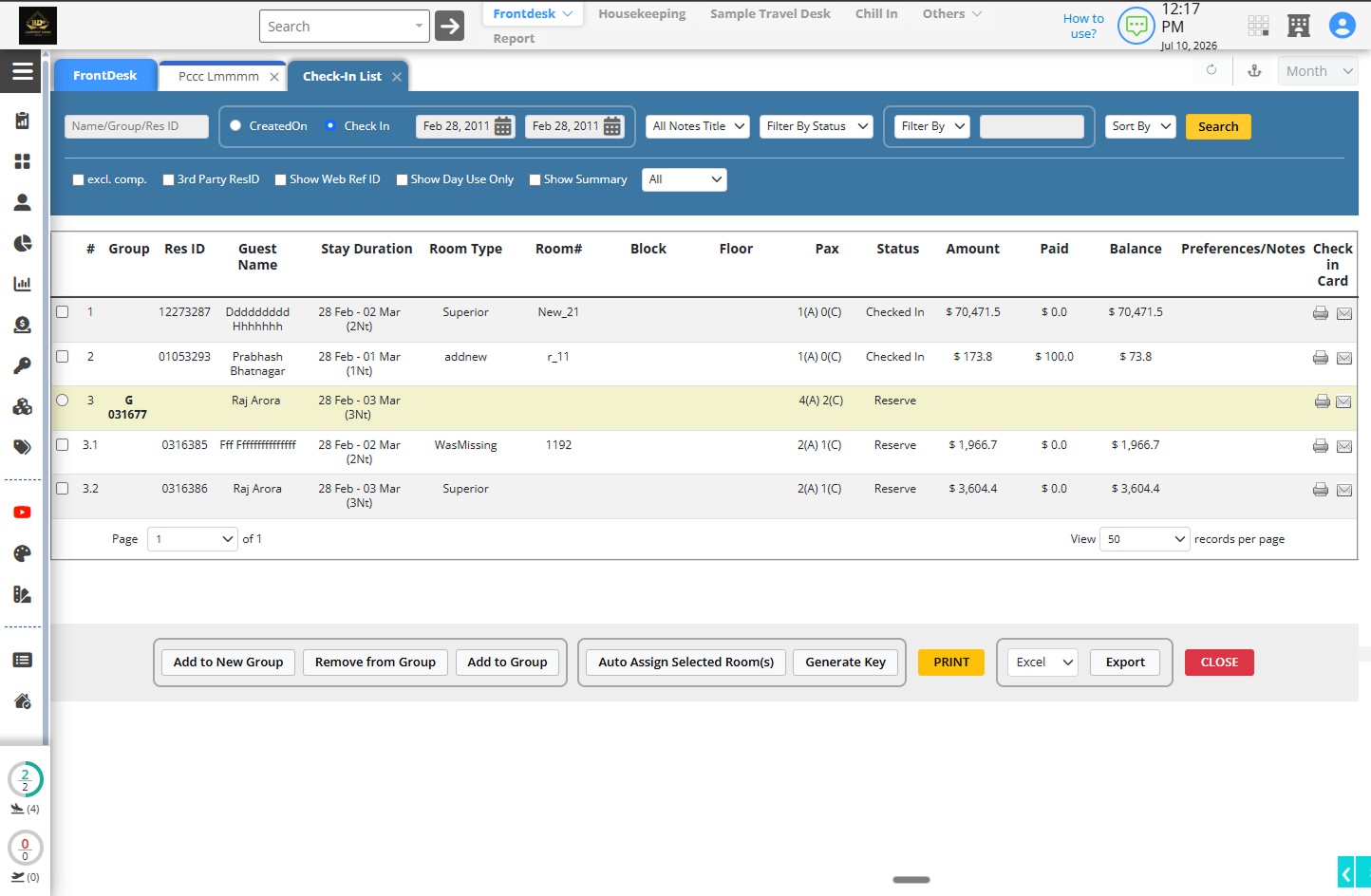
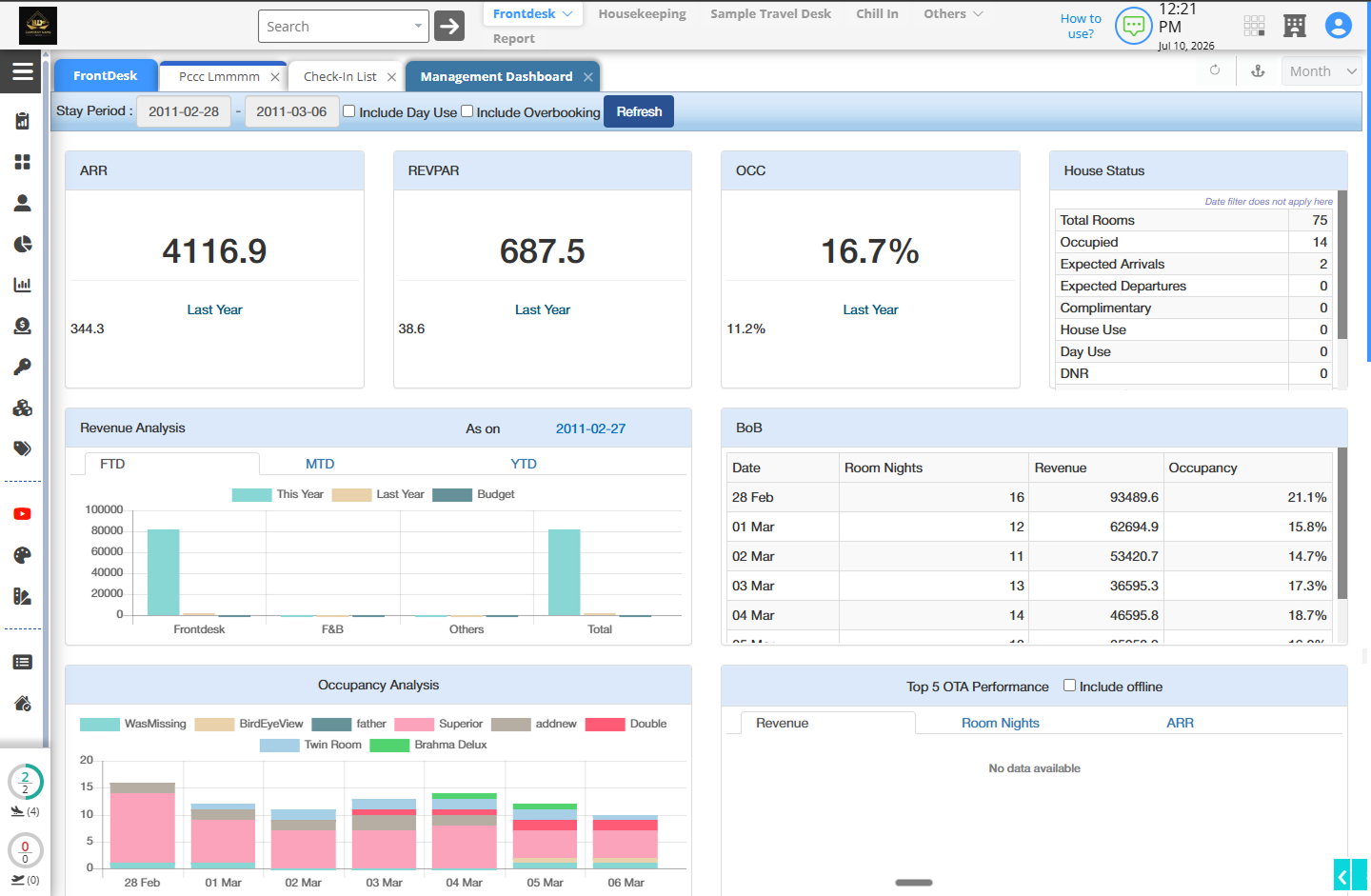
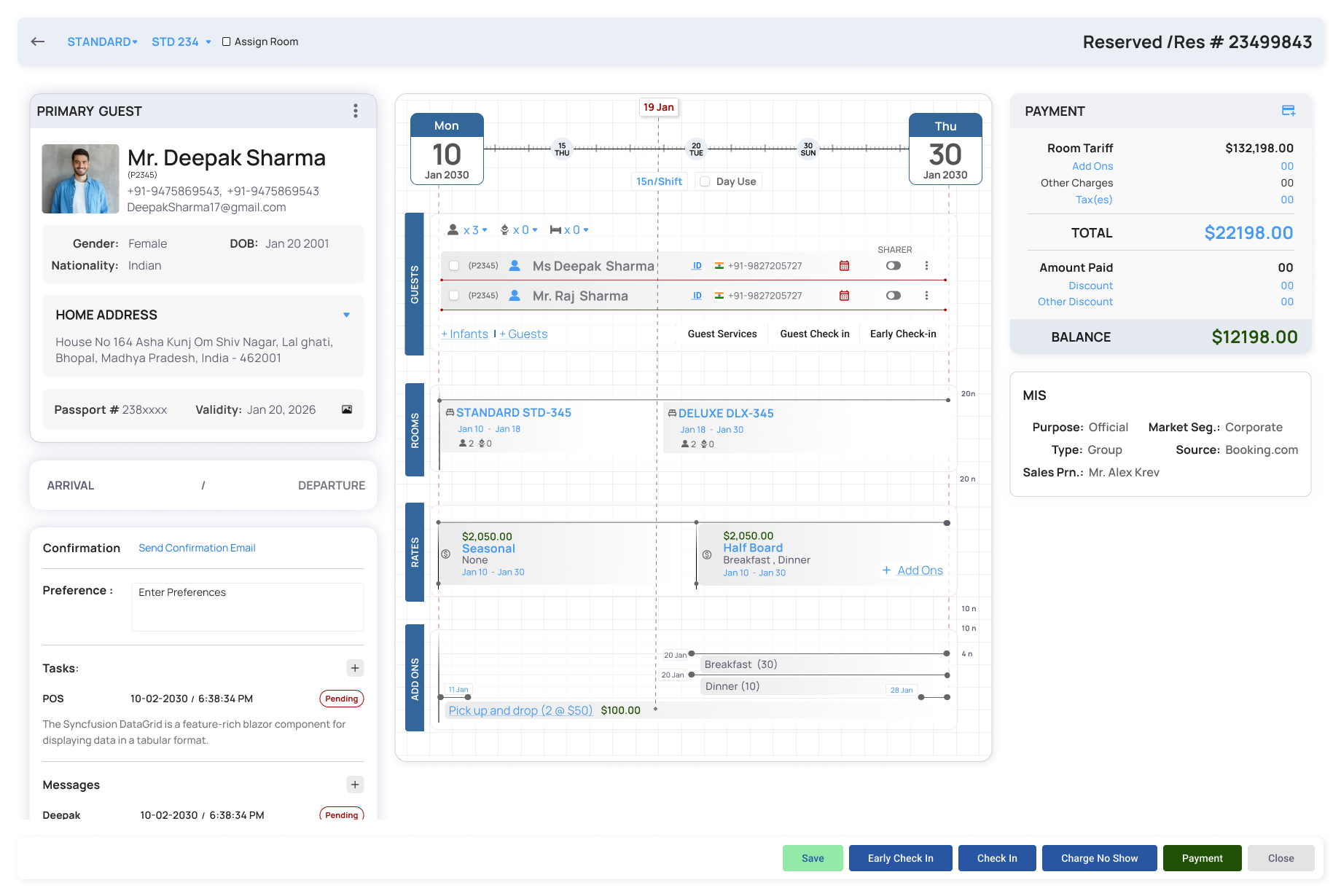
Instead of redesigning individual screens, the focus was on simplifying the entire reservation journey. Every solution was designed to address a specific operational challenge uncovered during research — reducing cognitive load, minimizing context switching, and helping hotel teams complete critical tasks more efficiently.
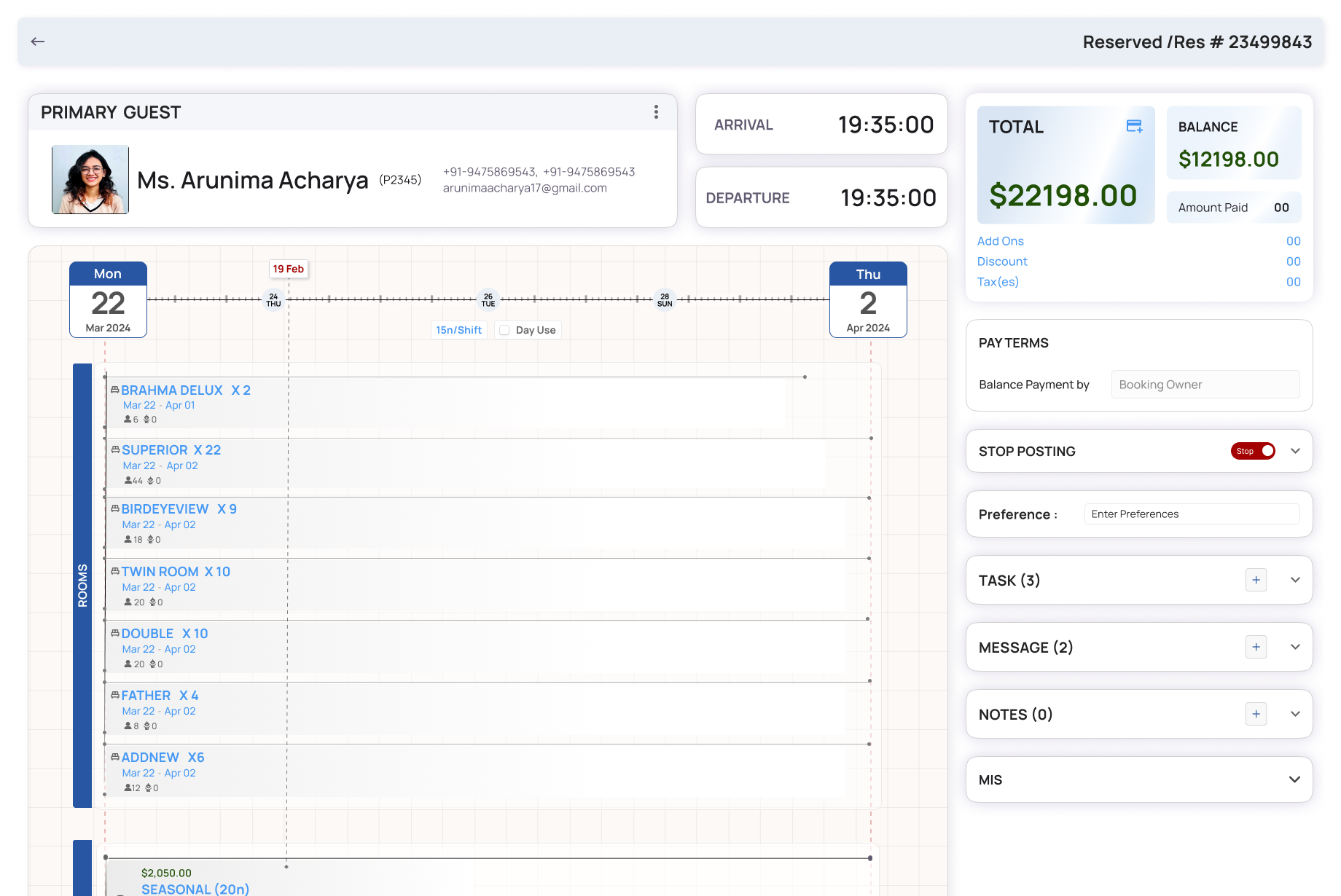
01

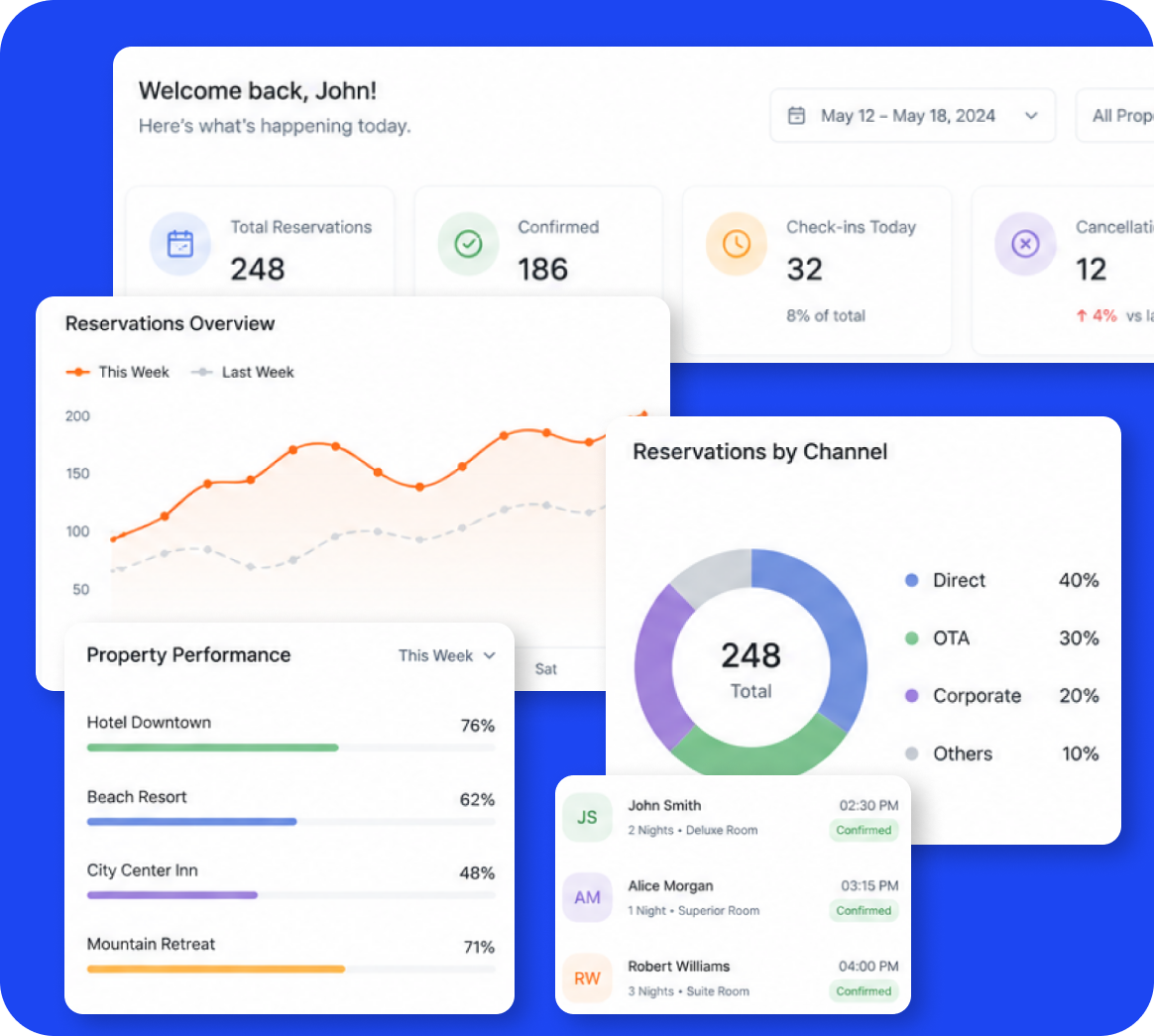
Unified Reservation Dashboard

Challenge
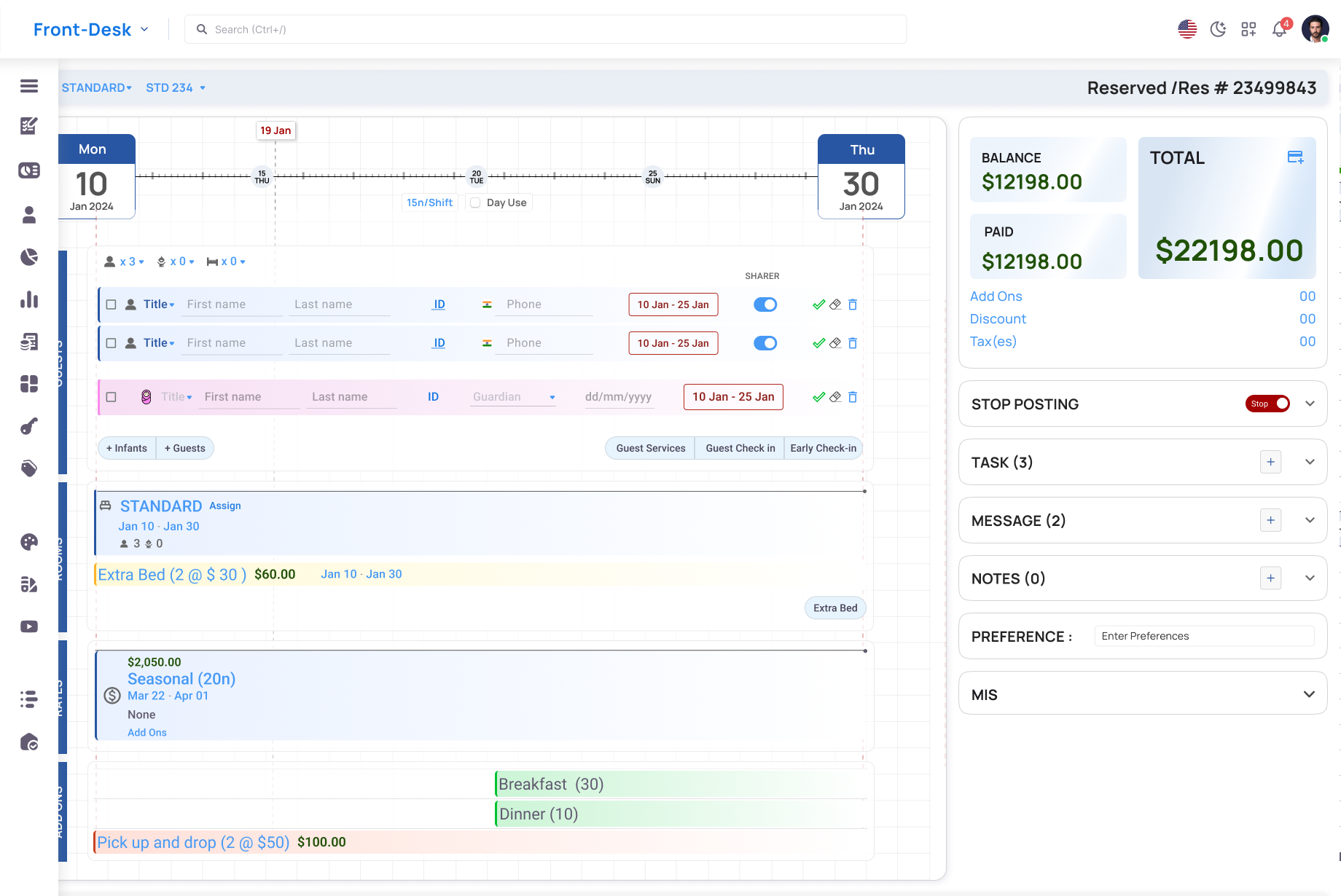
Multiple screens slowed reservation workflows.
Approach
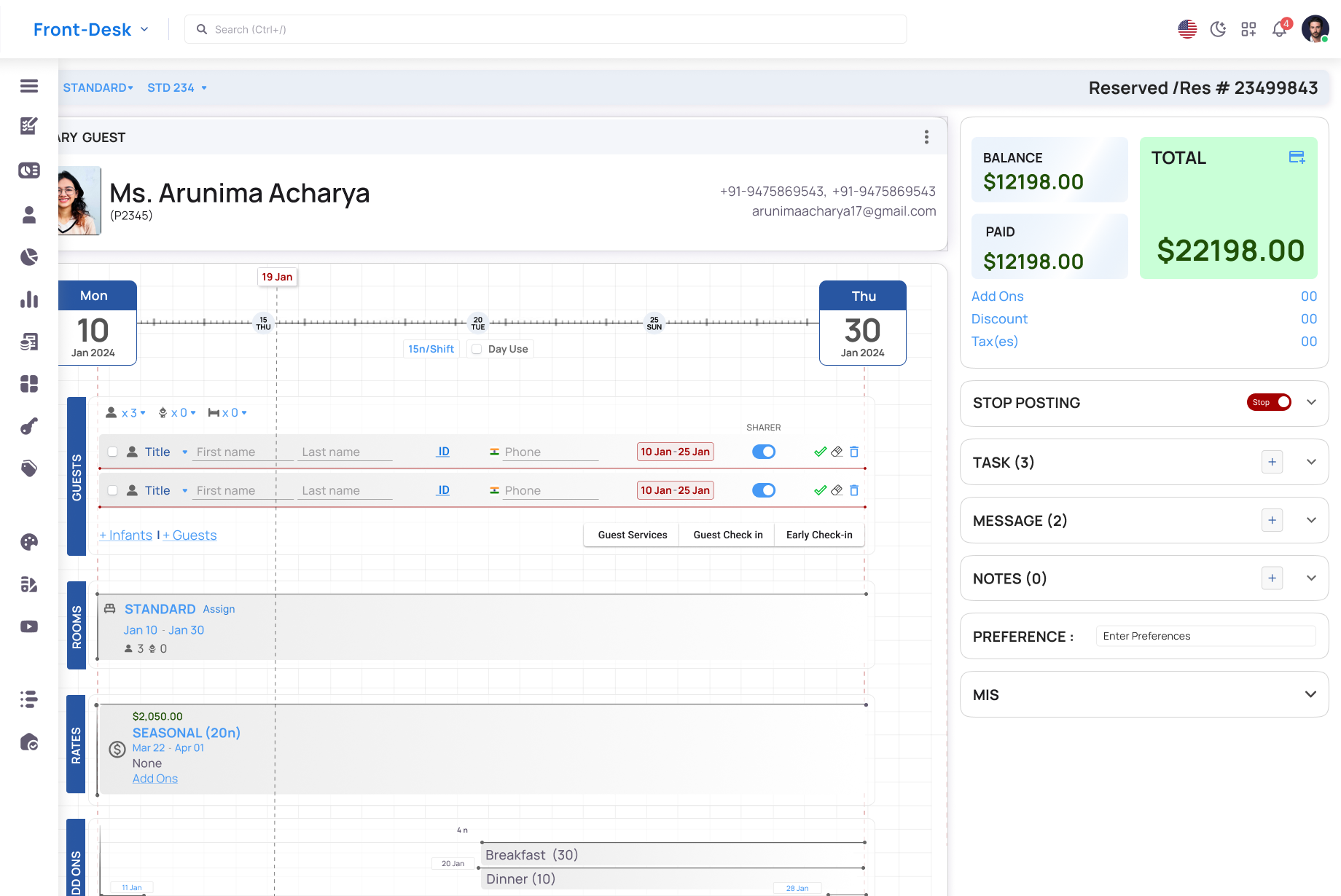
Unified search, booking details, and actions into one workspace.
Impact
35% faster reservation lookup
30% fewer workflow steps
Dashboard screenshot
02

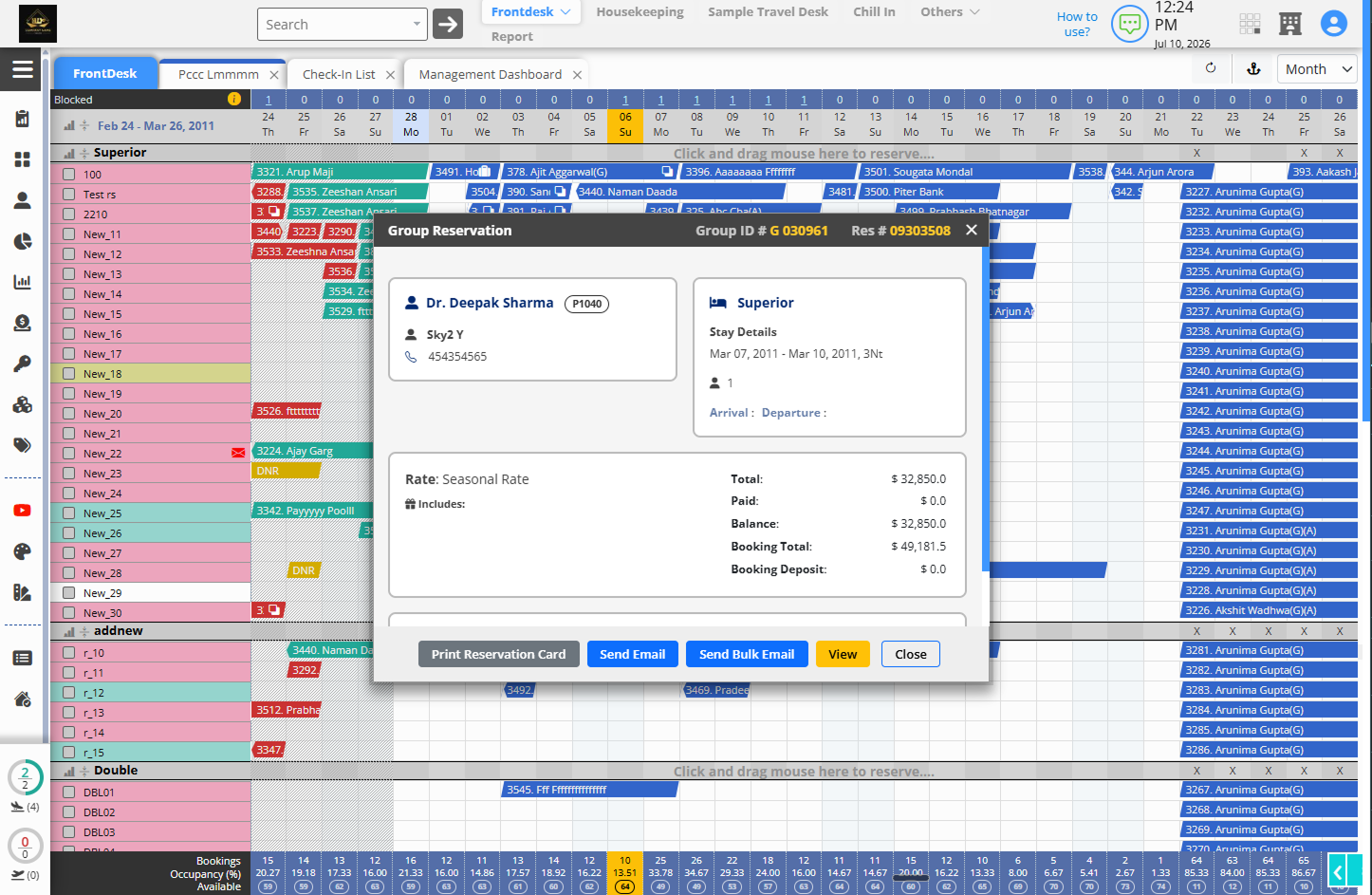
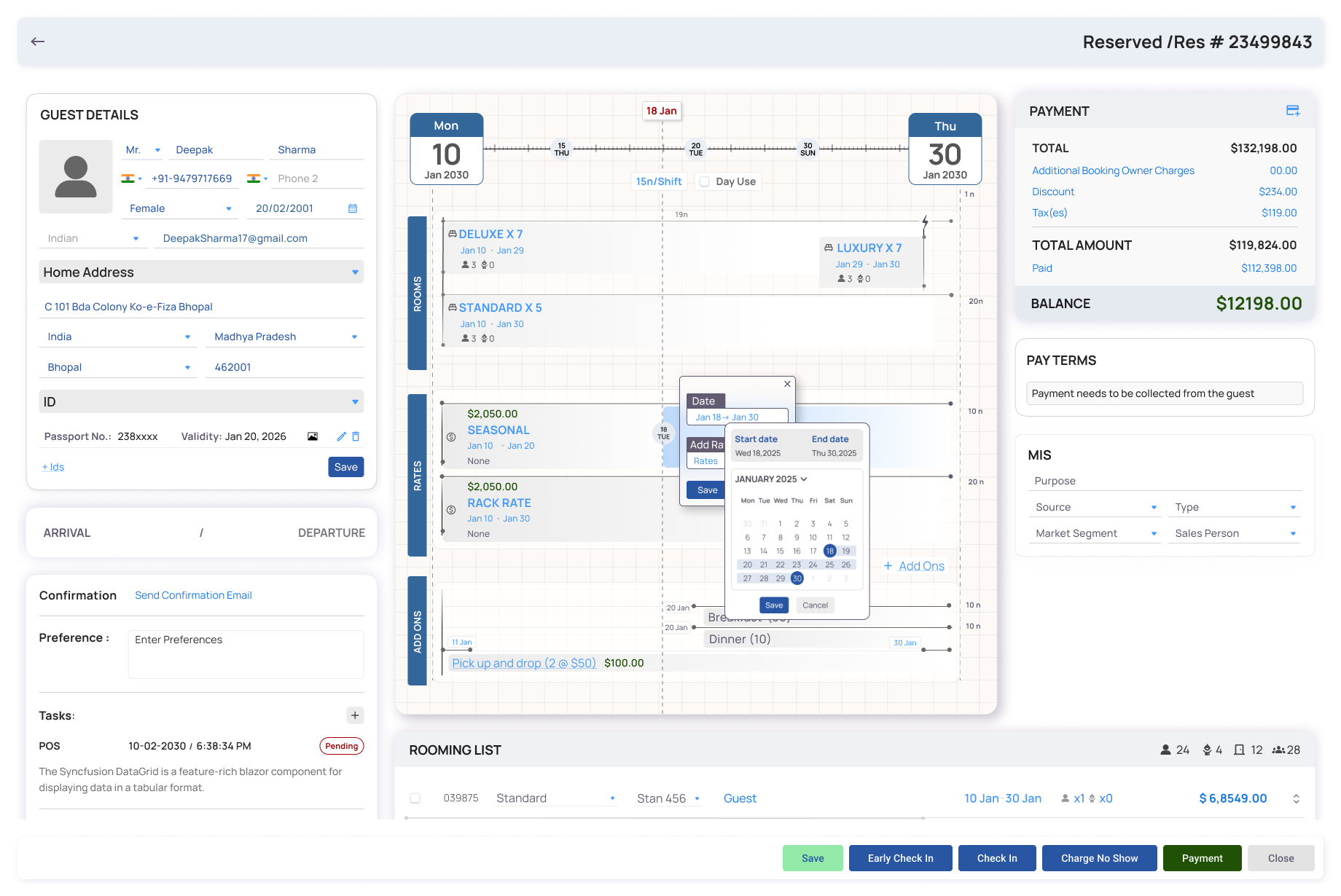
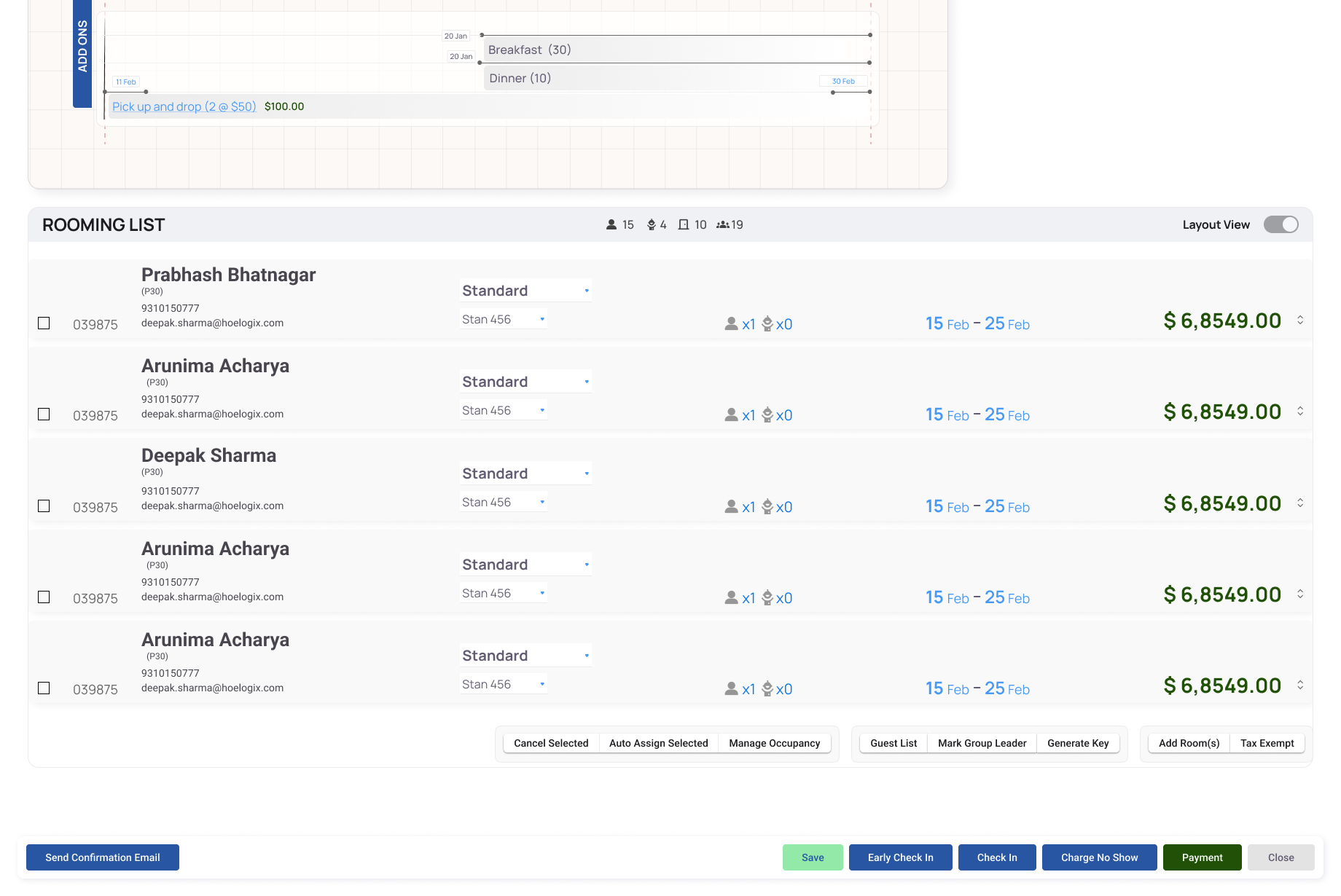
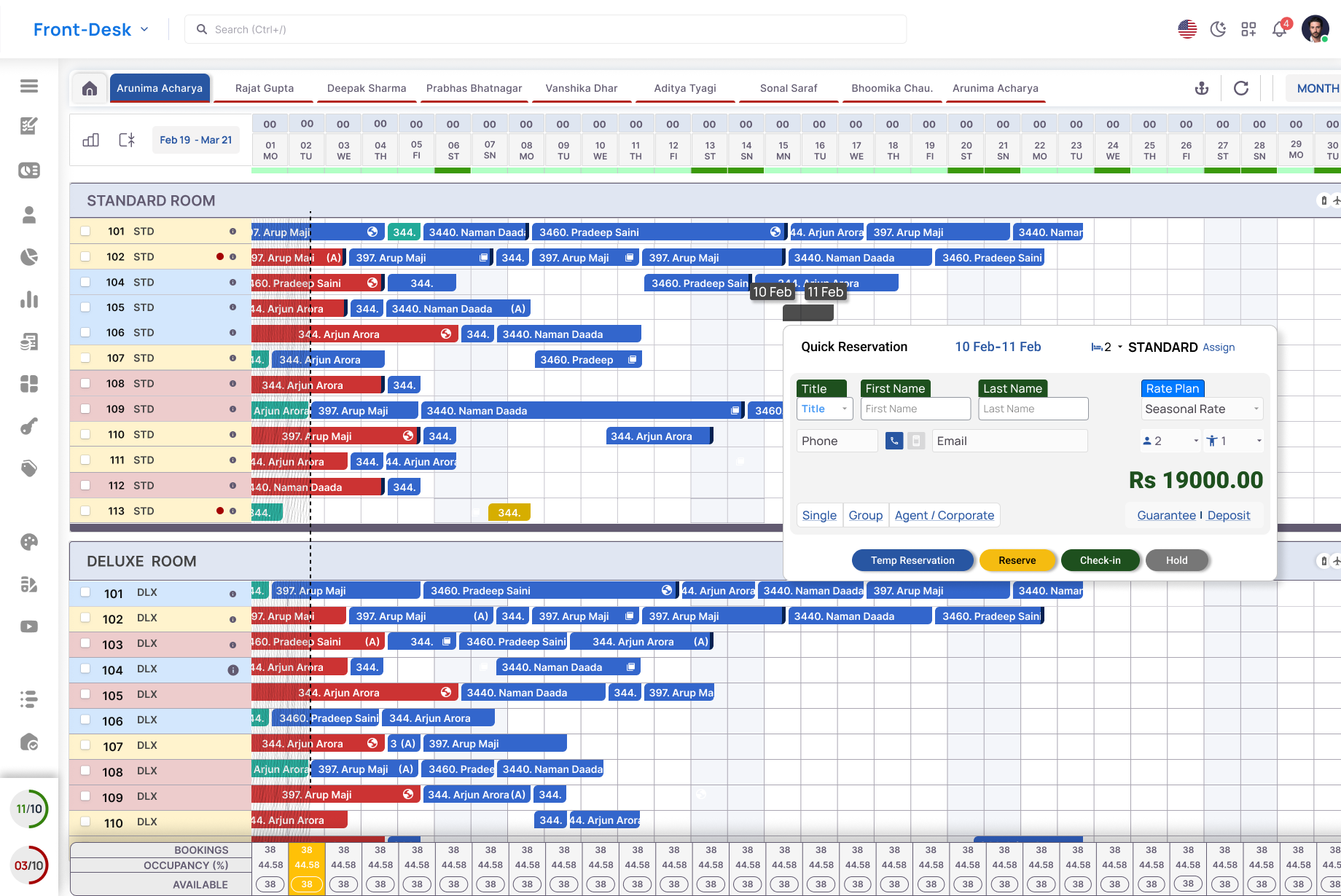
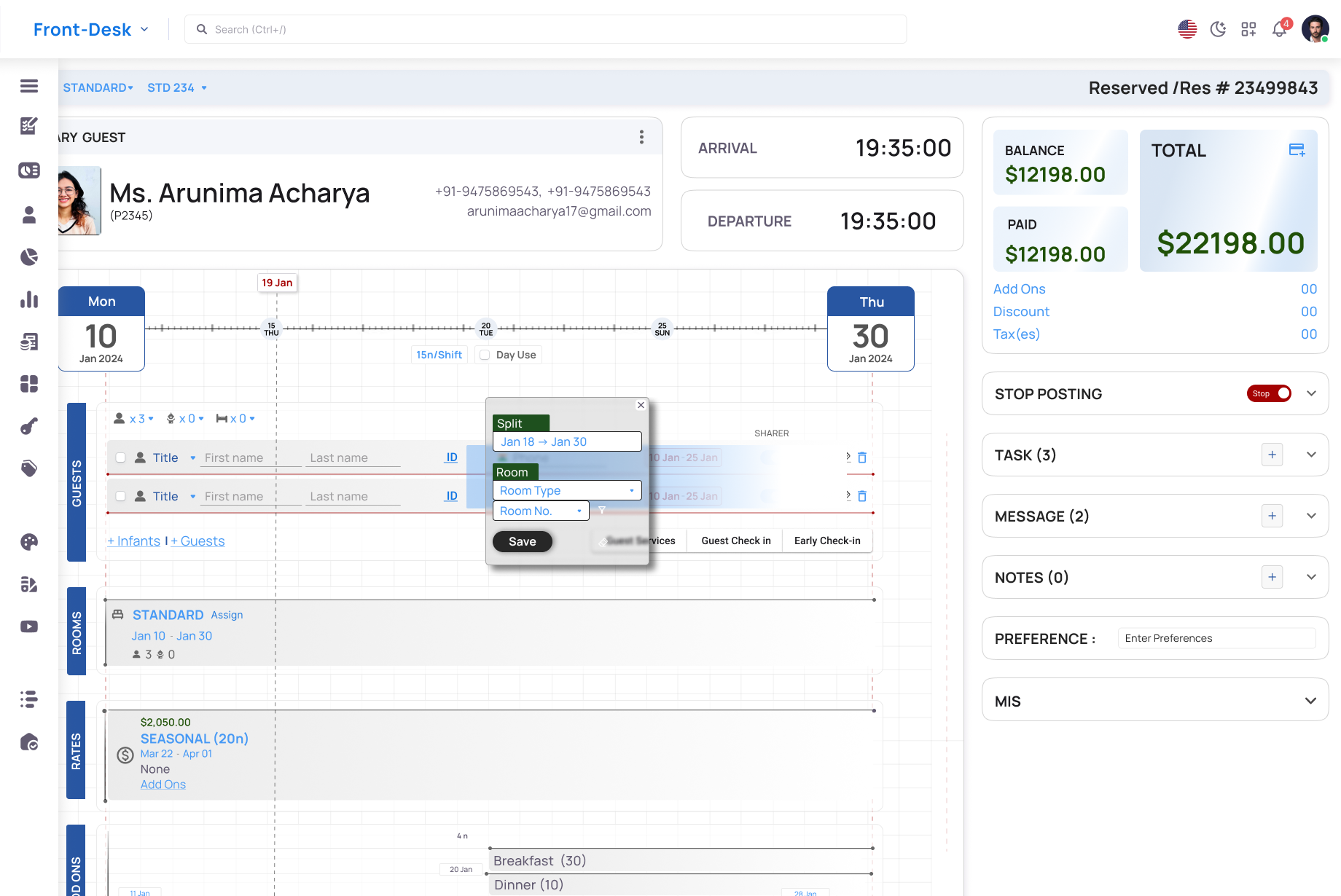
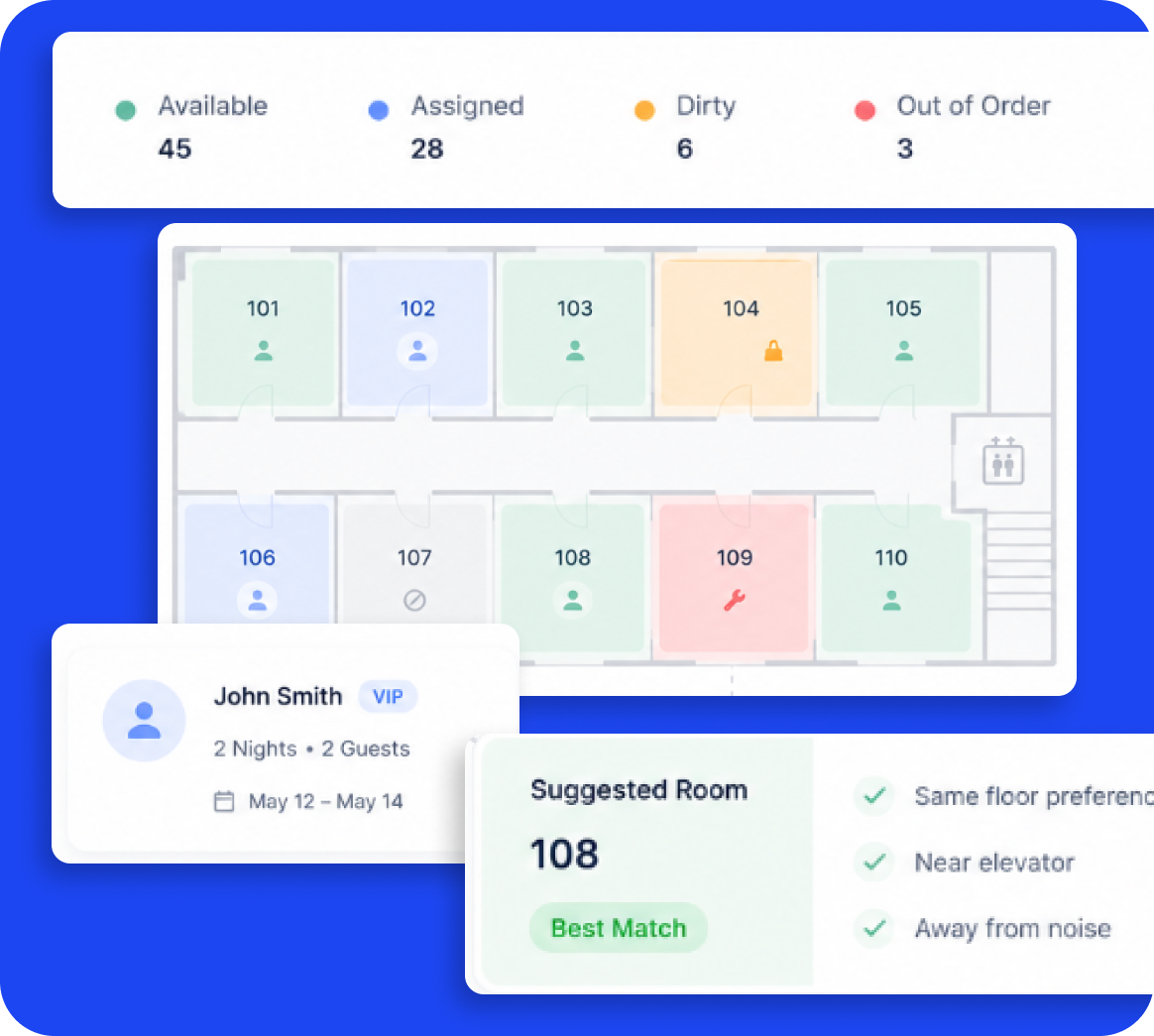
Smart Room Assignment

Challenge
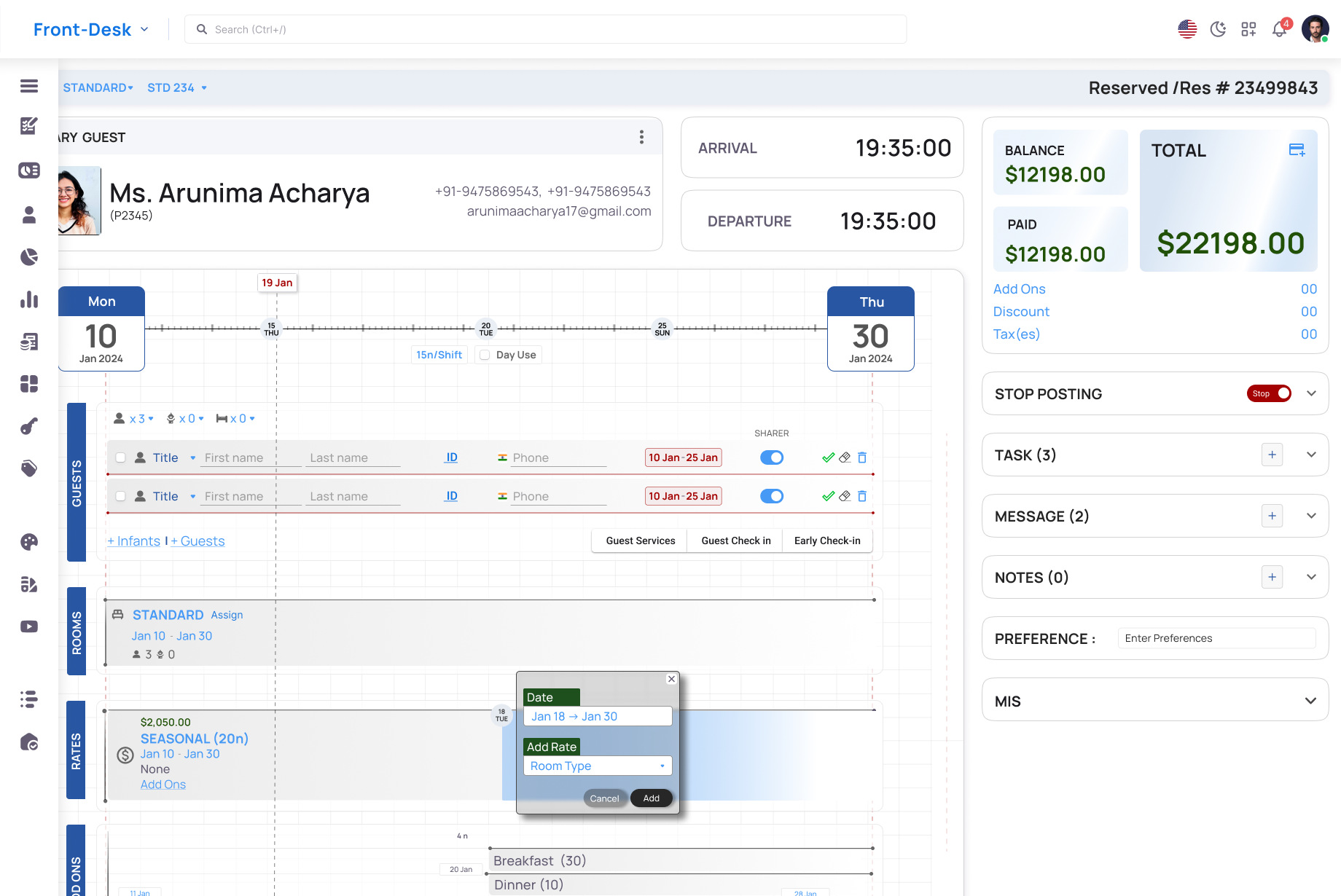
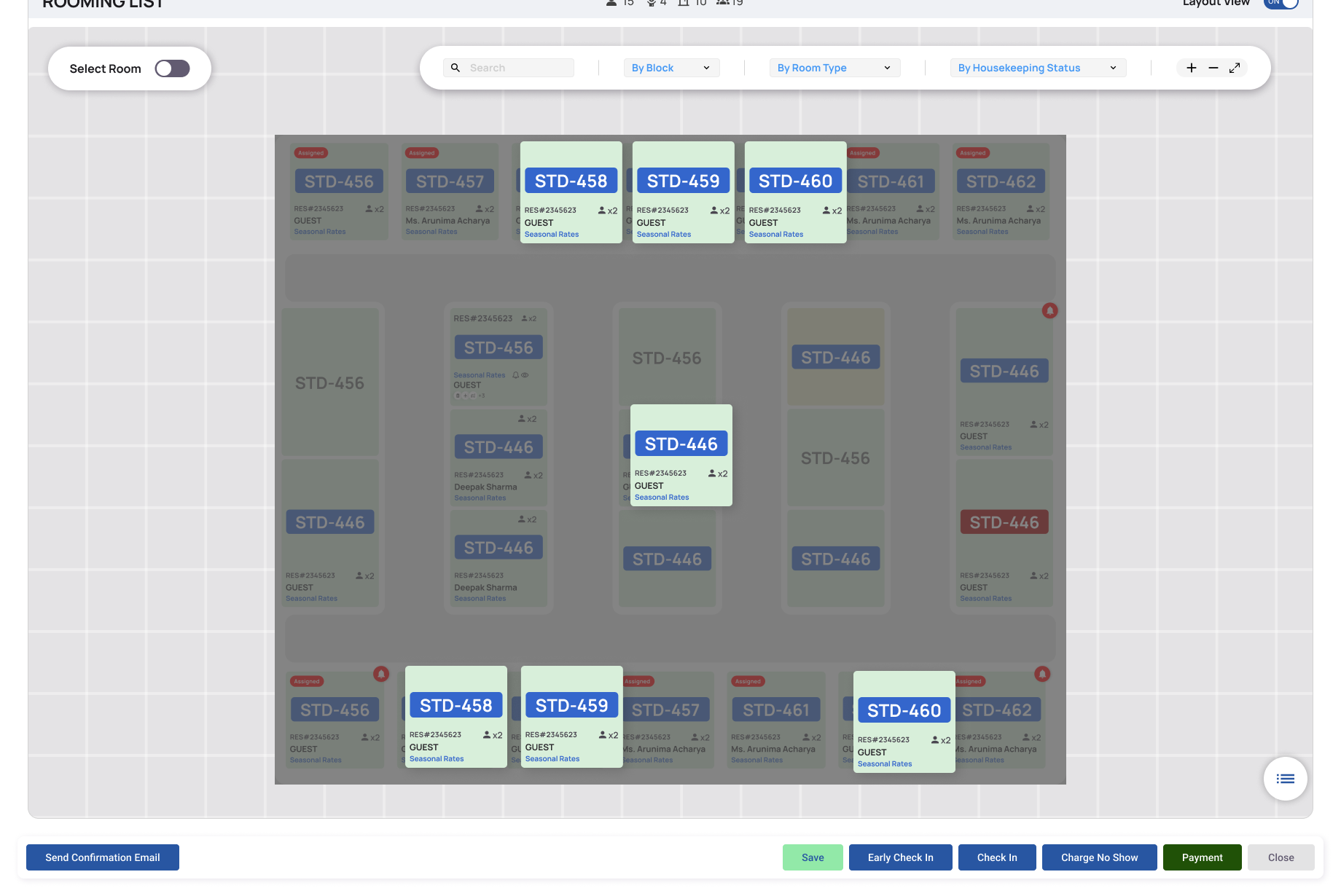
Manual room allocation was slow and error-prone.
Approach
Combined room availability, occupancy, and booking details in one view.
Impact
Faster assignments
Reduced operational errors
Room assignment screenshot
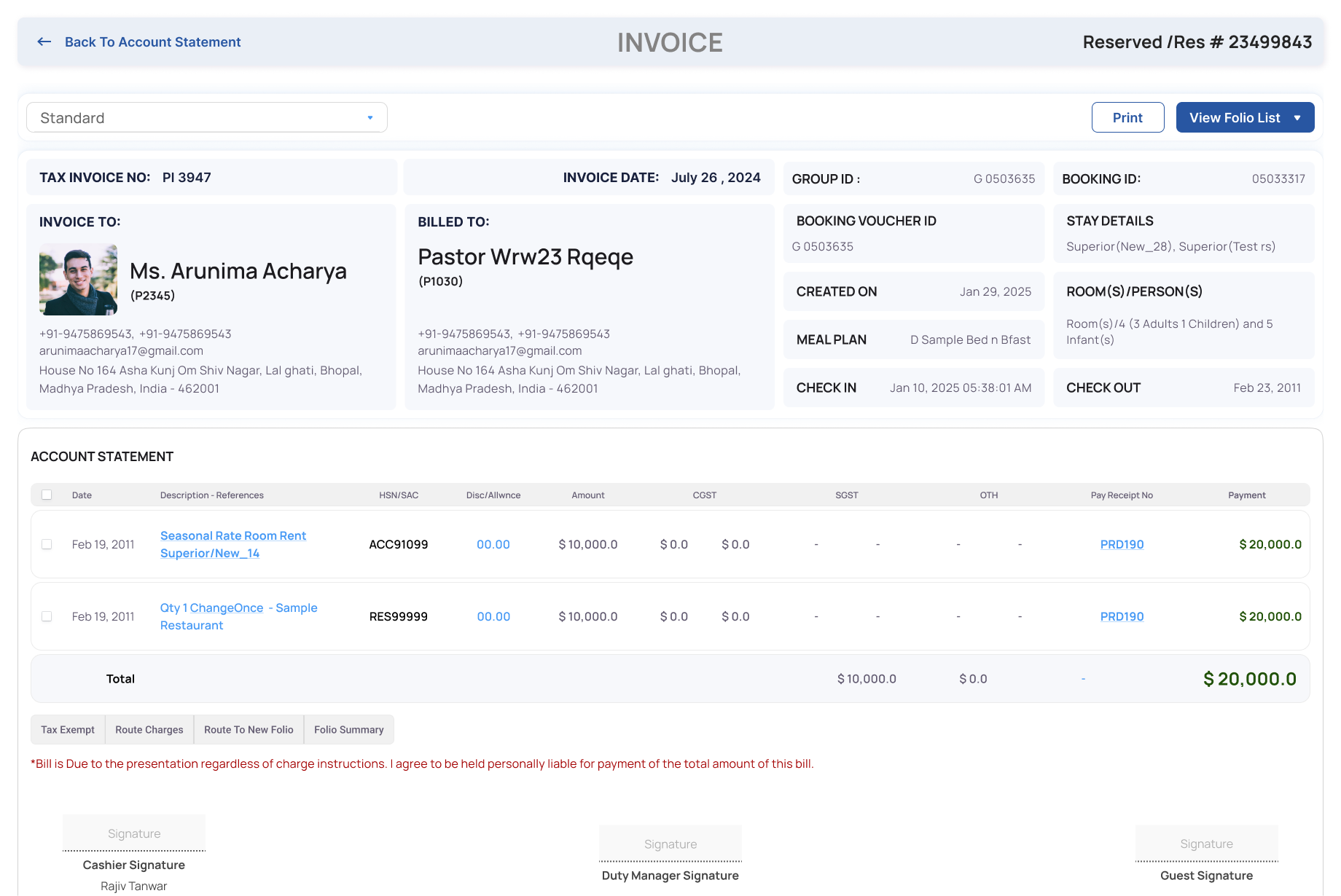
03

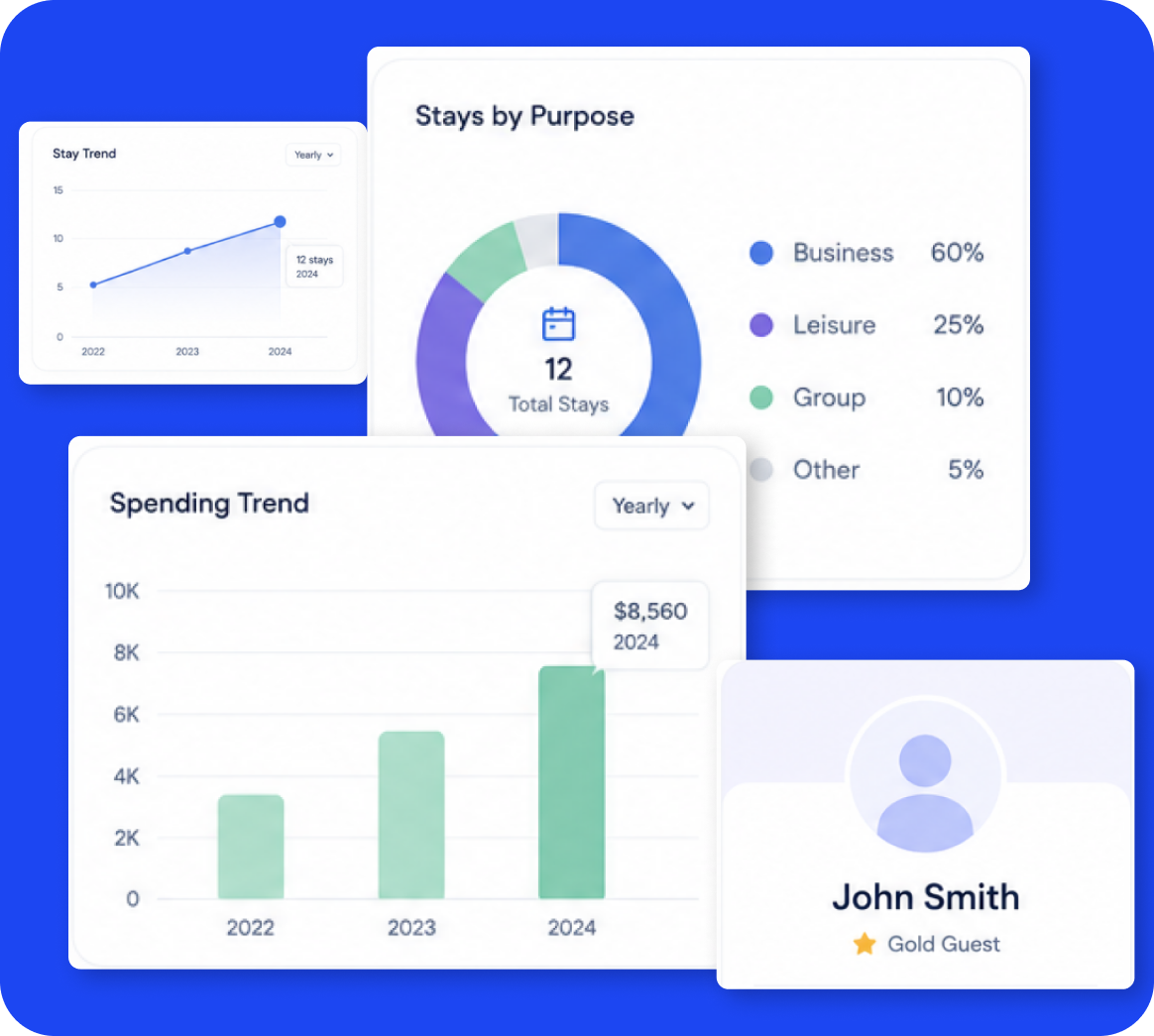
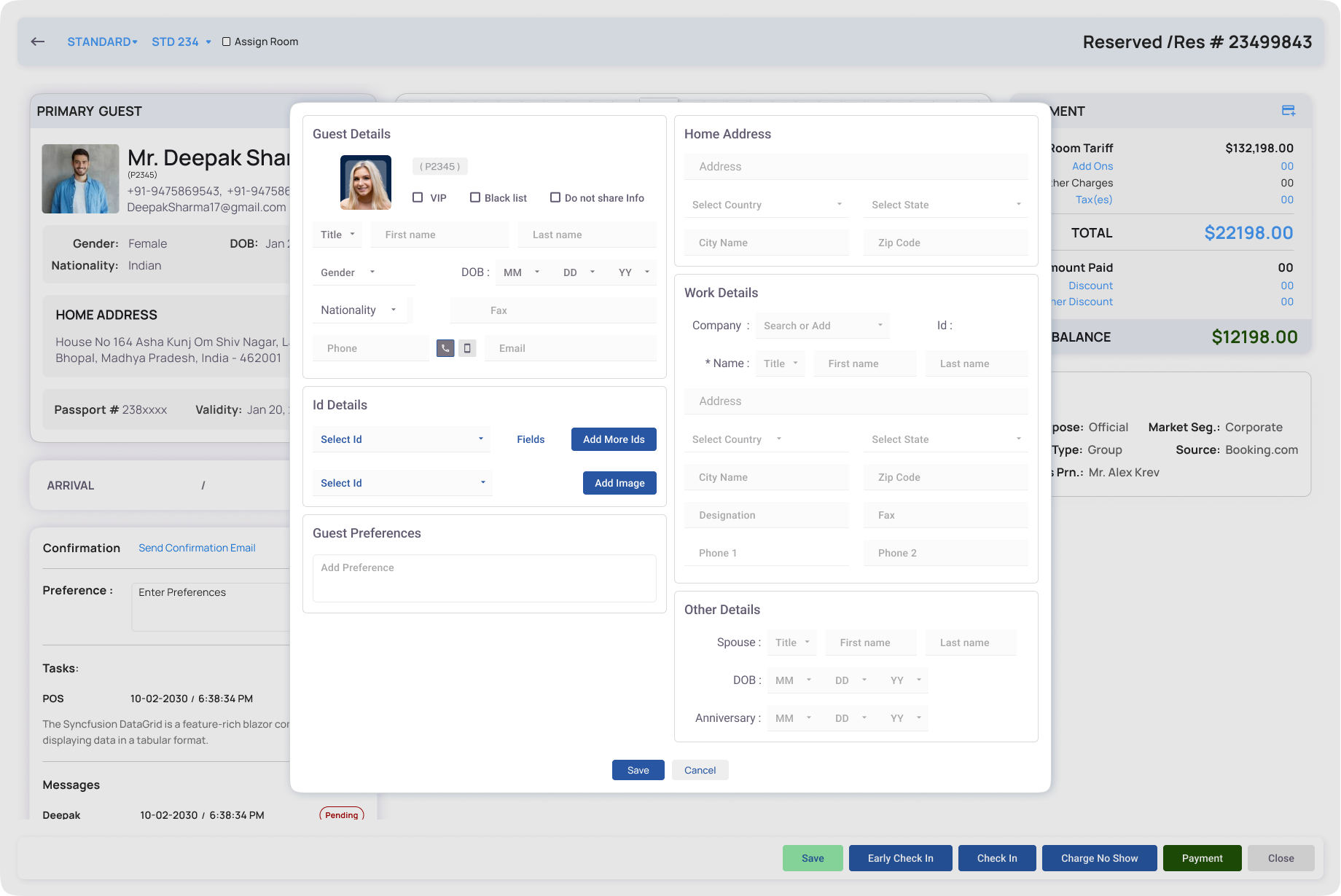
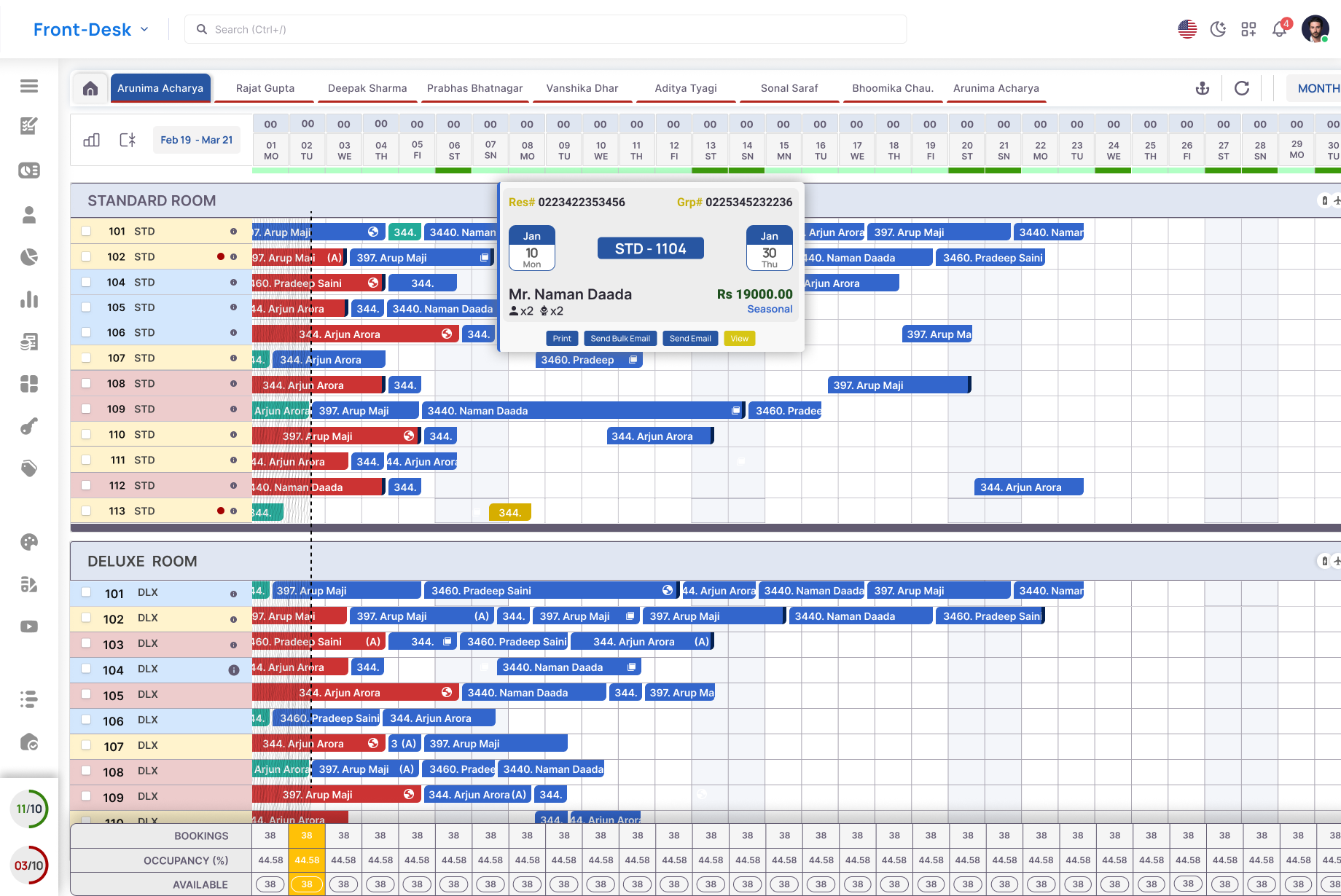
Guest Context

Challenge
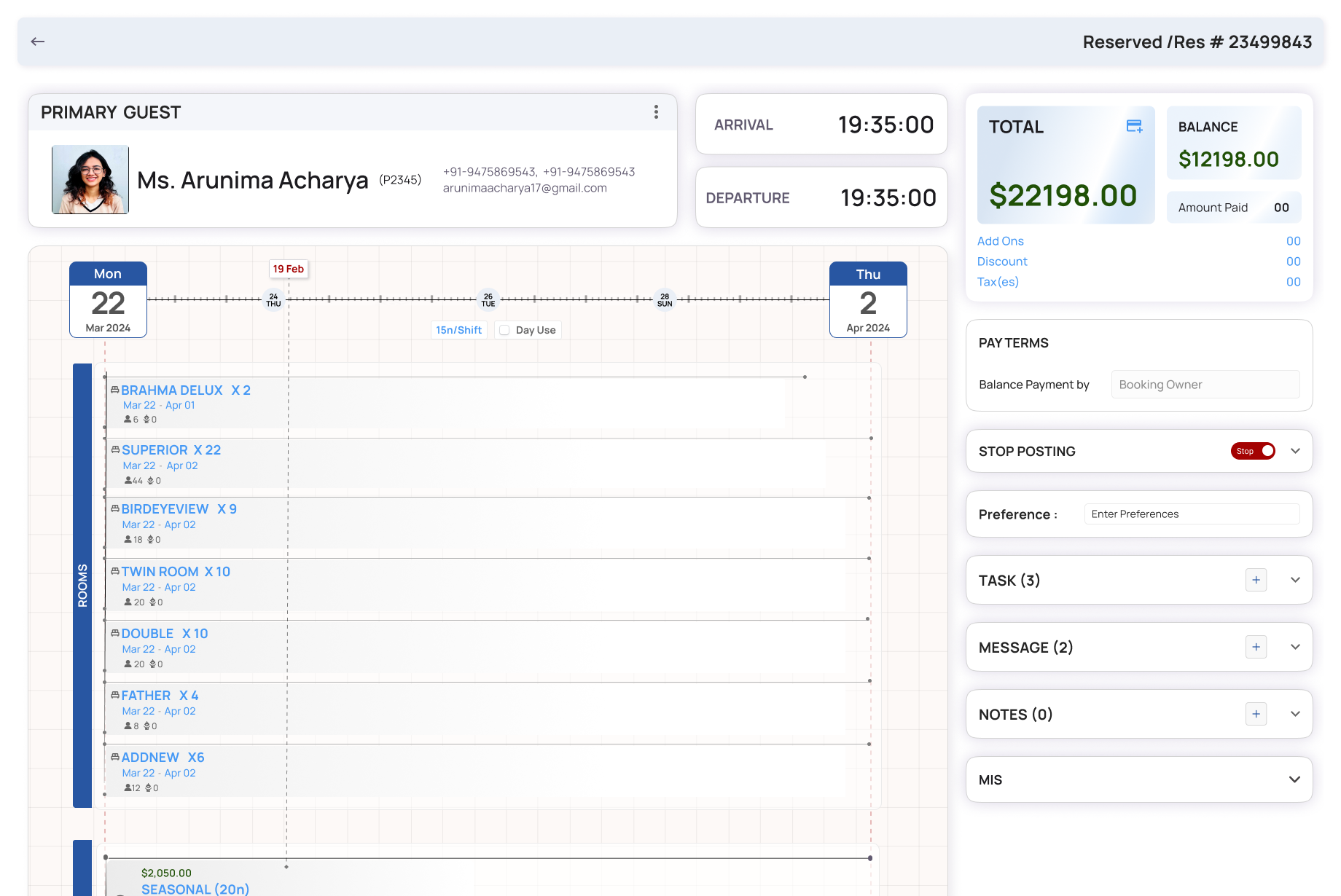
Guest history required switching between screens.
Approach
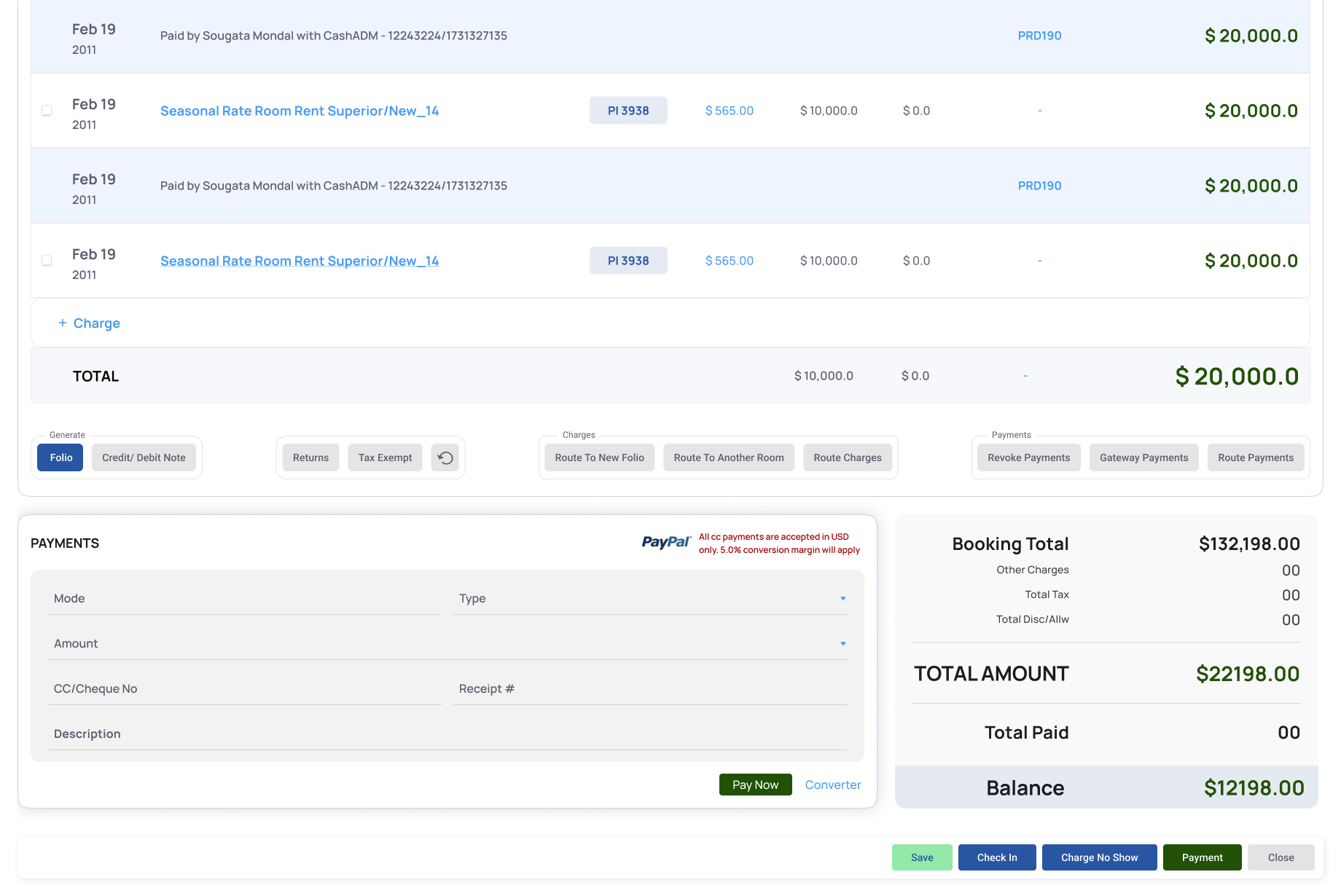
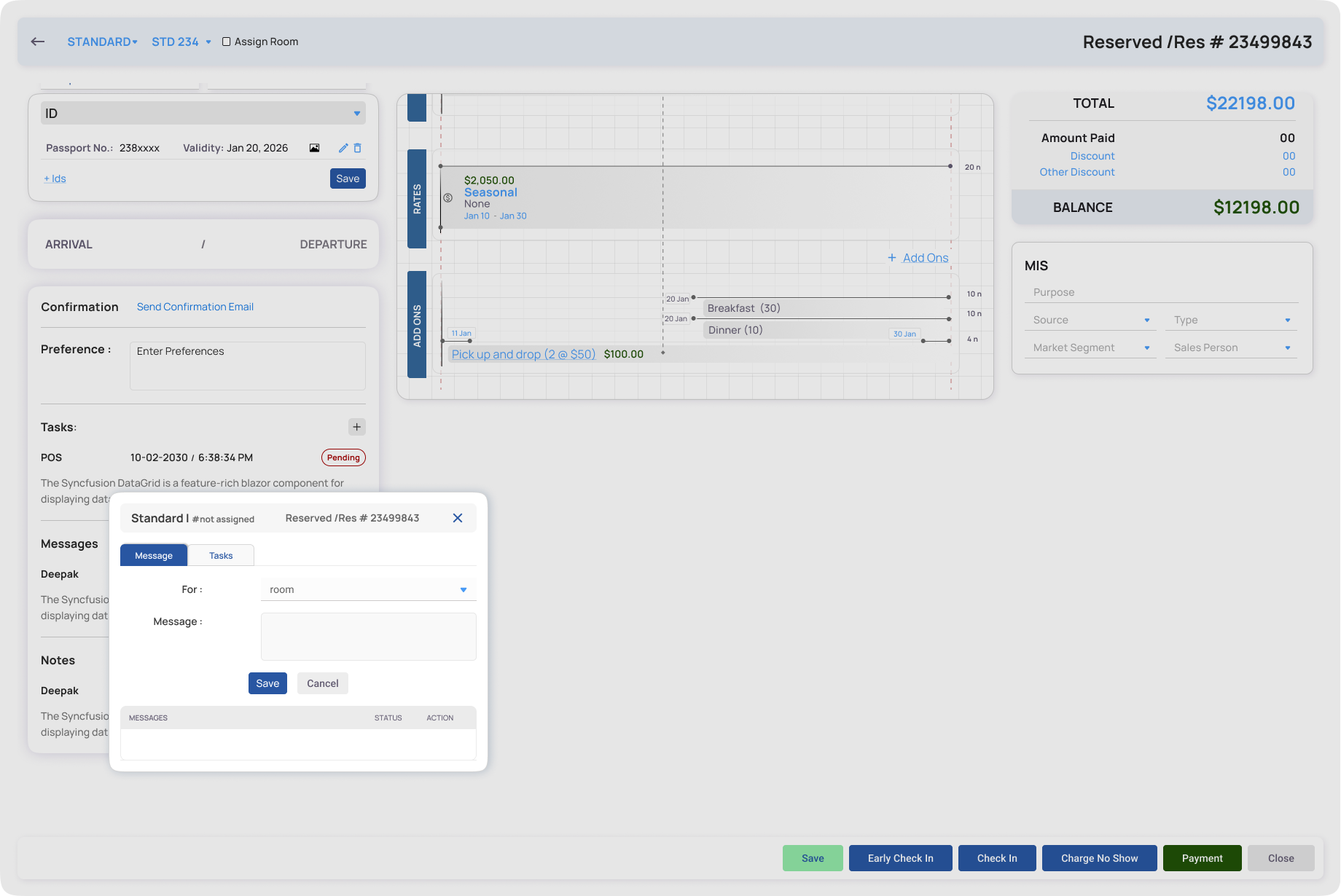
Embedded guest profile, history, and timelines directly in workflow.
Impact
Faster decisions
More personalized guest experience
Guest profile screenshot
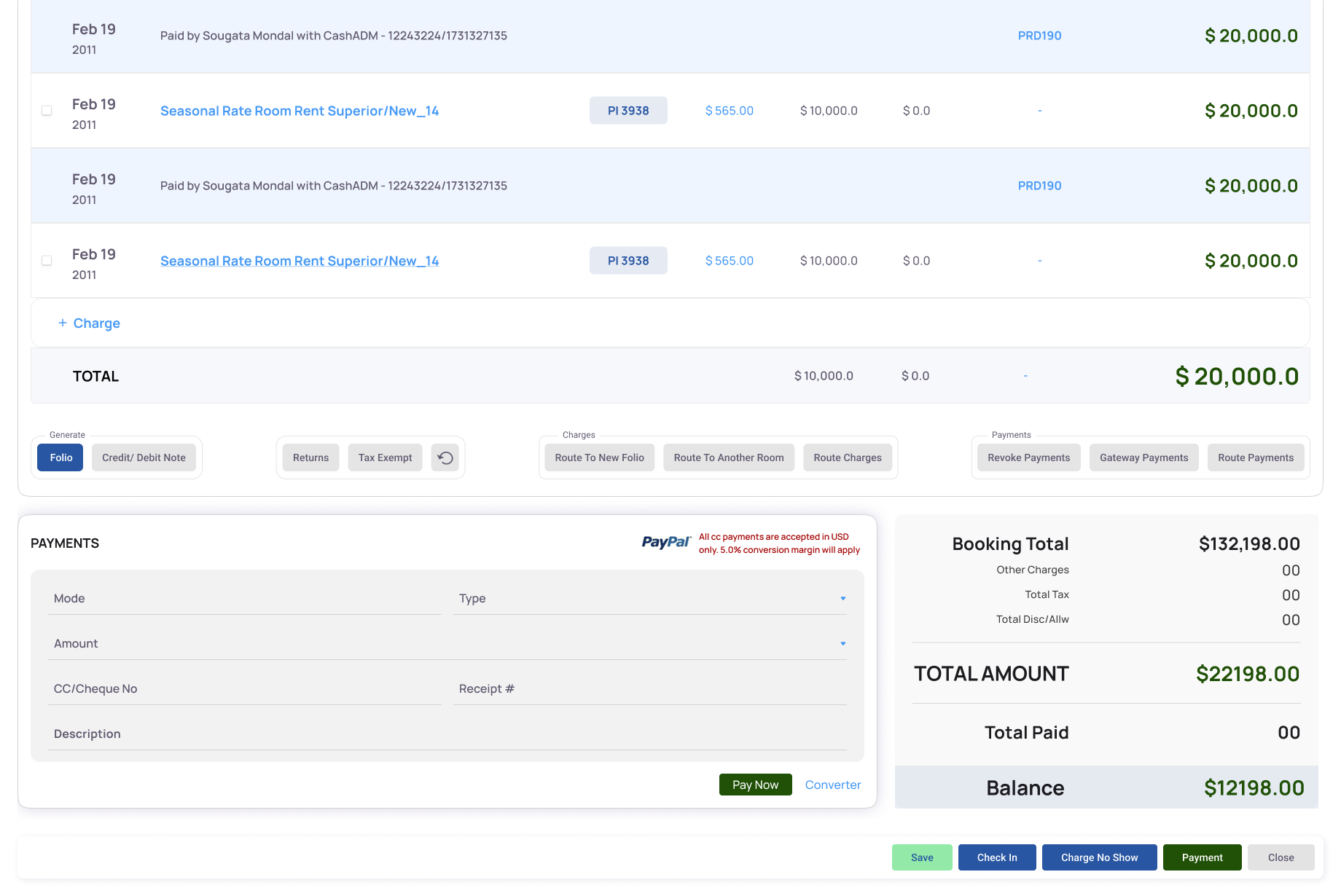
04

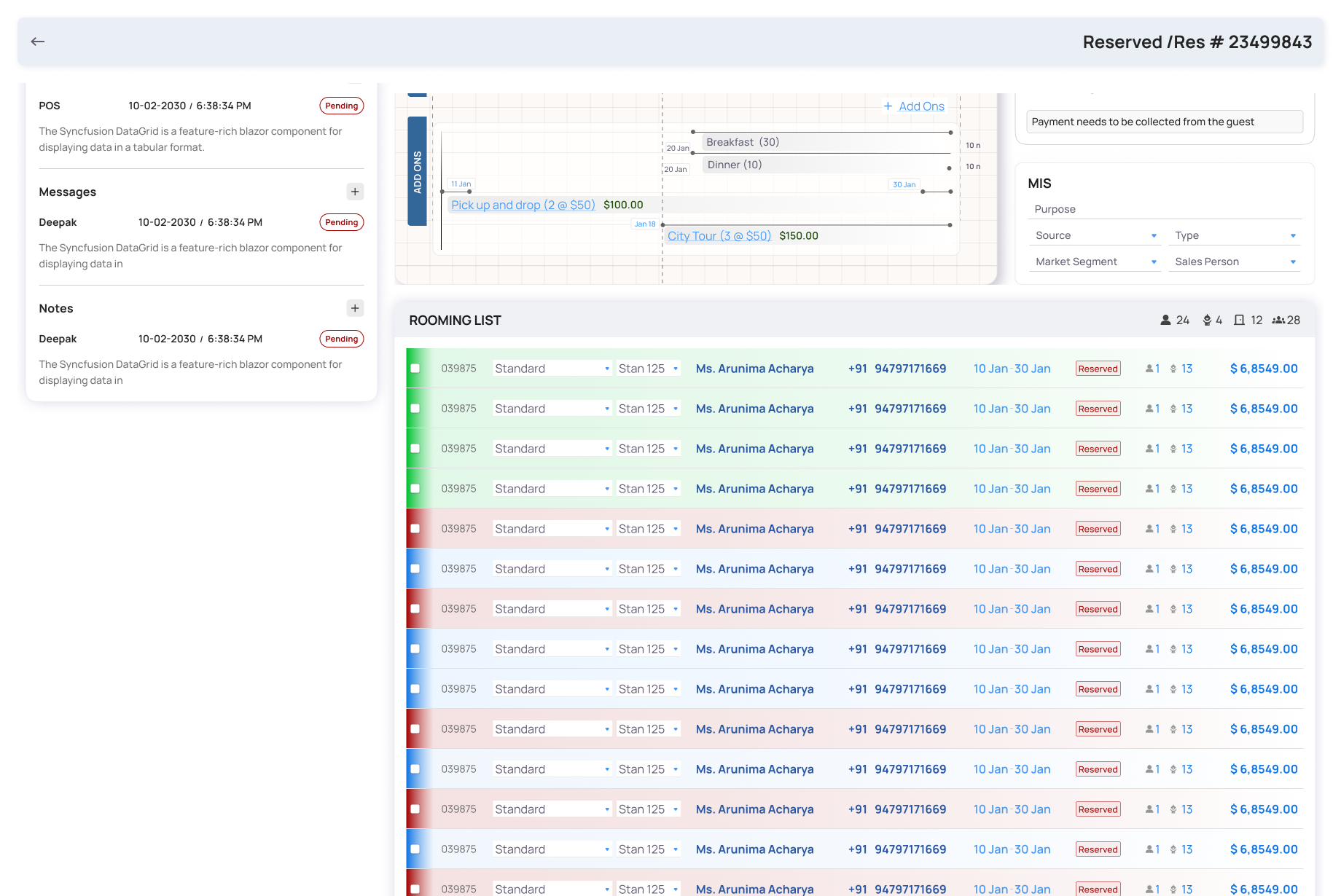
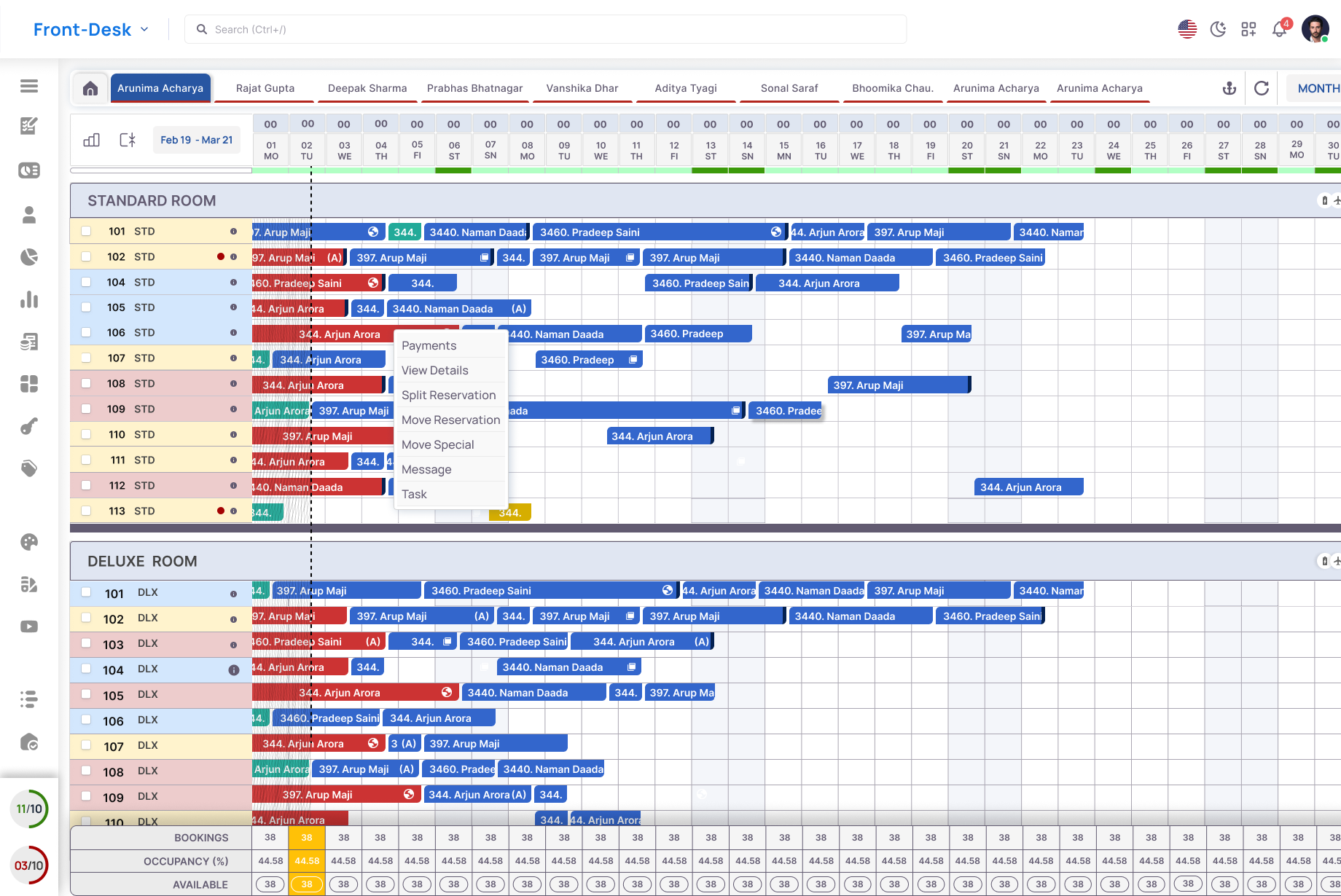
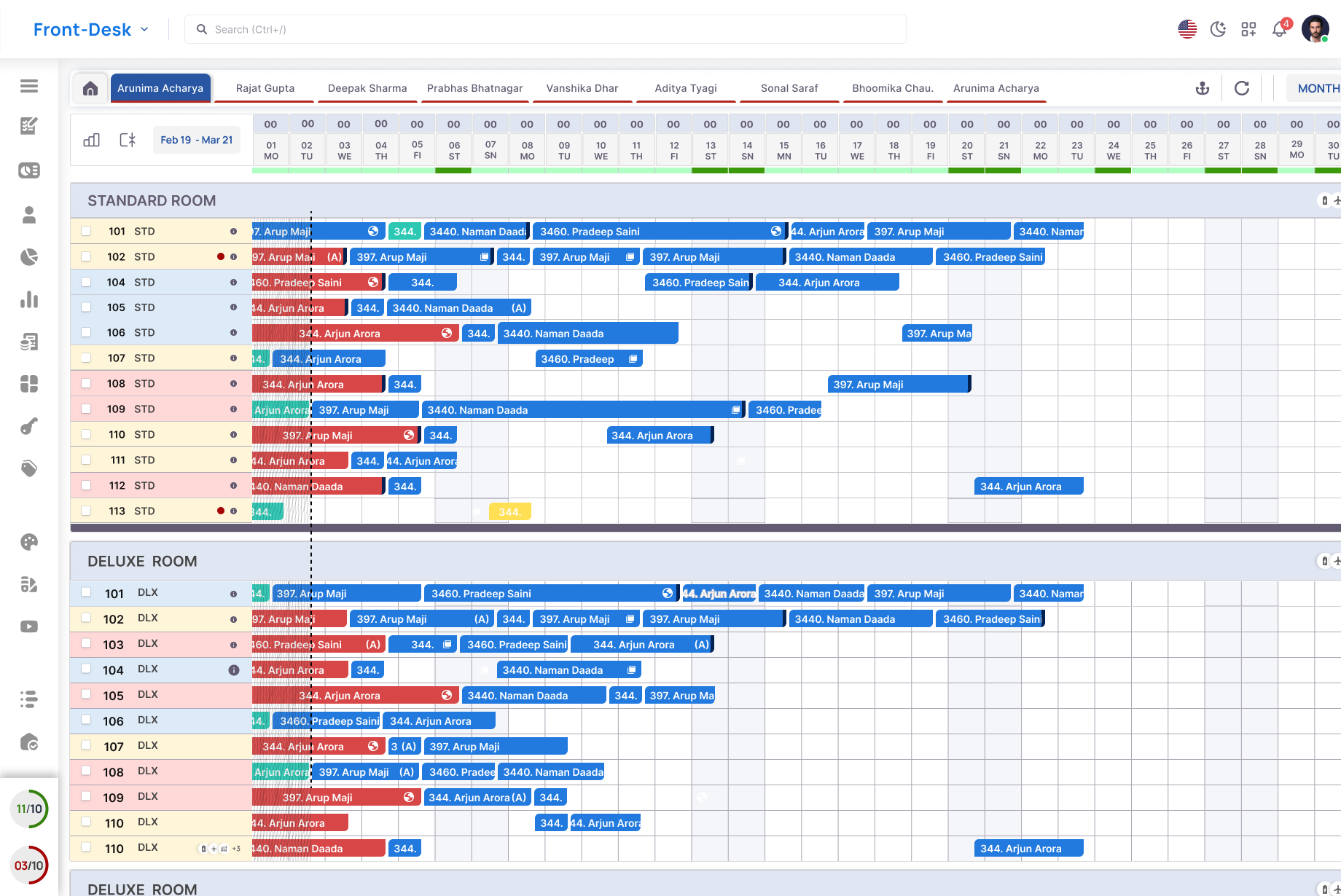
Advanced Filters & Bulk Operations

Challenge
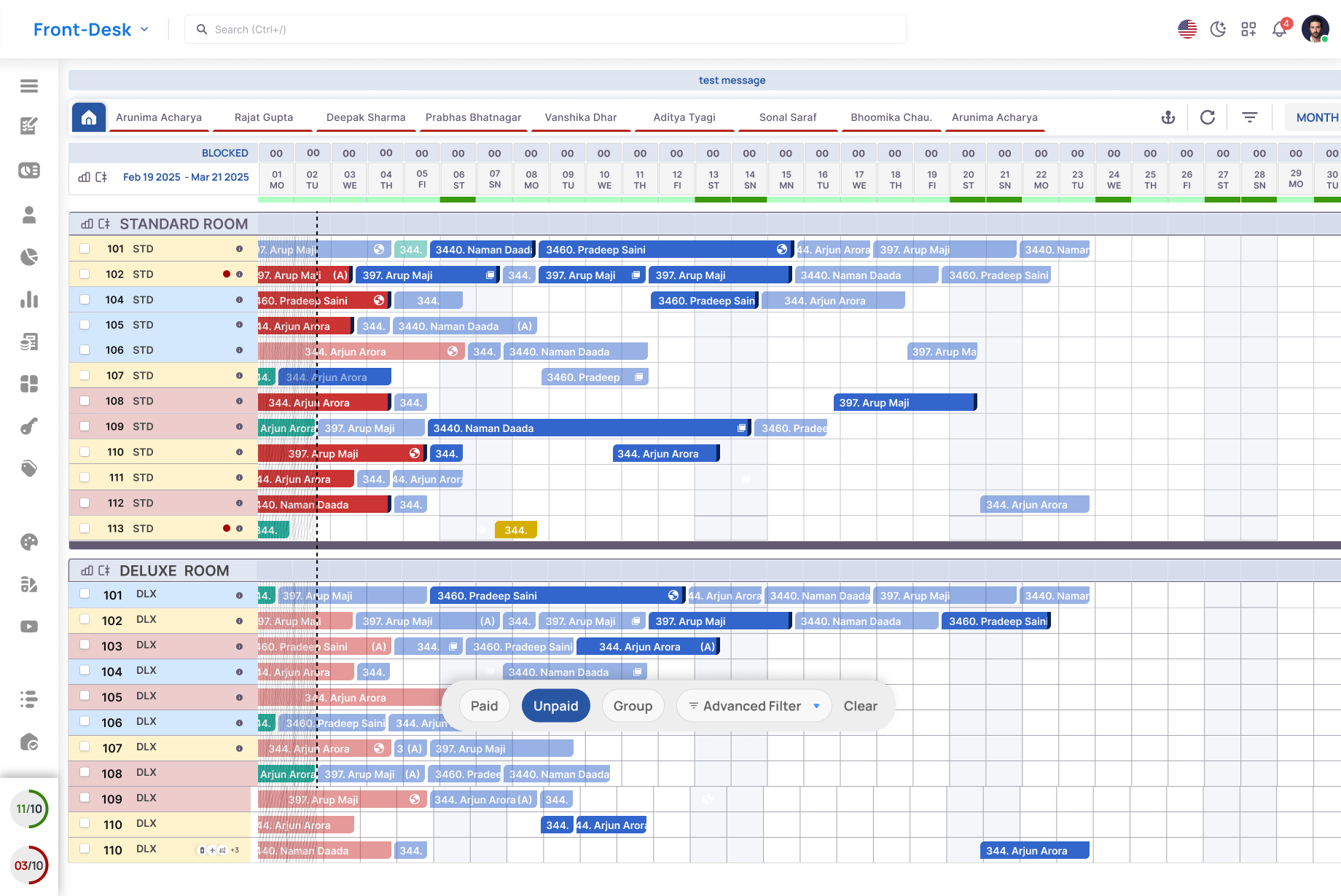
Managing hundreds of reservations involved repetitive work.
Approach
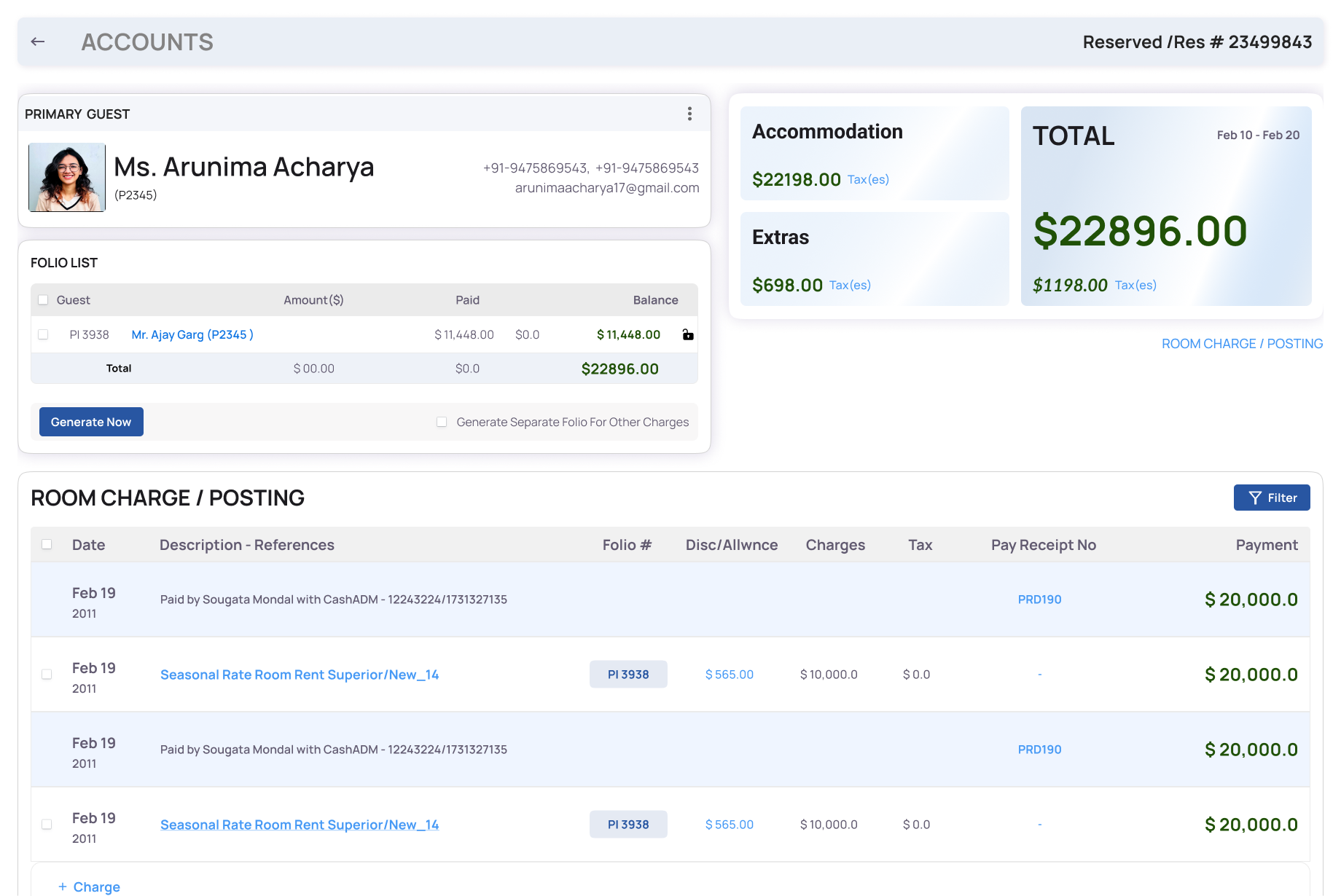
Added advanced filters and bulk actions for high-volume operations.
Impact
Less repetitive work
Improved operational efficiency
Bulk operations screenshot

Every solution is designed to make hotel operations simpler, faster, and more efficient.

08Understanding the Ecosystem

Reservations don't exist in isolation

Before redesigning the experience, I mapped the complete reservation lifecycle to understand how information flows between teams and systems.

09Design System

Building better interfaces with design systems.

A scalable design language built from scratch — color, typography, spacing, and components designed for consistency across every module.

Design system applied — component library mockup
01Color System
Primary
#1C46F2
#8a9ff4
#859dff
#dde3fd
#111111
Semantic
Success
Warning
Error
Info
Neutral
Neutral Scale
02Typography — Manrope
AaManrope
Heading 1
34–56px / 1.15
Regular
Heading 2
28–42px / 1.3
Regular
Heading 3
18–22px / 1.3
Regular
Body
13.5–16px / 1.6
Regular
03Spacing & Layout
Spacing Scale
4
4px
8
8px
12
12px
16
16px
24
24px
32
32px
48
48px
64
64px
10 — IMPACT

Designed for measurable operational improvement.

The redesign simplified everyday operations while supporting the complexity of enterprise hospitality management at scale.

01
35%

Reduction in reservation lookup time

02
30%

Fewer operational steps

03
1,000+

Hotels using the redesigned workflows

04
50+

Countries supported

10Lessons Learned
Hotelogix RMS Case Study

Lessons Learned

Three years of designing enterprise hospitality products taught me what truly drives impact. These six lessons now guide every product decision I make.

01

Enterprise software isn't about adding features.

It's about removing friction from critical workflows.

Hotelogix front desk dashboard
Reservations
12812%
Check-ins
828%
Housekeeping
244%
02

Every screen is connected.

Small design changes can affect multiple operational teams.

Front Desk
Room Status
Housekeeping
Room Cleanliness
Finance Team
Invoicing
Maintenance
Work Orders
Management
Reporting
03

Simplicity requires deep domain knowledge.

Understanding hotel operations was as important as designing interfaces.

Rooftop
Operations
Guest
Experience
Operational
Efficiency
Back of House
Workflows
04

Collaboration drives better products.

Working closely with product managers and engineers ensured practical, scalable solutions.

Product
Design
Engineering

Great enterprise UX is invisible.
It empowers teams to do their best work.

— Internal Design Principle
Operational Efficiency
↑ 28%
vs last month
05

Data-driven decisions create real impact.

We used feedback, analytics and user insights to continuously improve the experience.

Task Completion Rate
76% 18%
After Redesign
18%
improvement
06

Design systems unlock consistency at scale.

A strong foundation of components and patterns helped maintain a cohesive experience across modules.

Primary Button
Secondary Button
Input Field

More work

Other case studies

View all →
Hospitality Tech

Point of Sale — Restaurant Operations

Mobile App / 2023

Hospitality Tech

Central Reservation Office

Enterprise UX / 2023

Hospitality Tech

Hotelogix Website — Marketing & Conversion

Web Design / 2023